





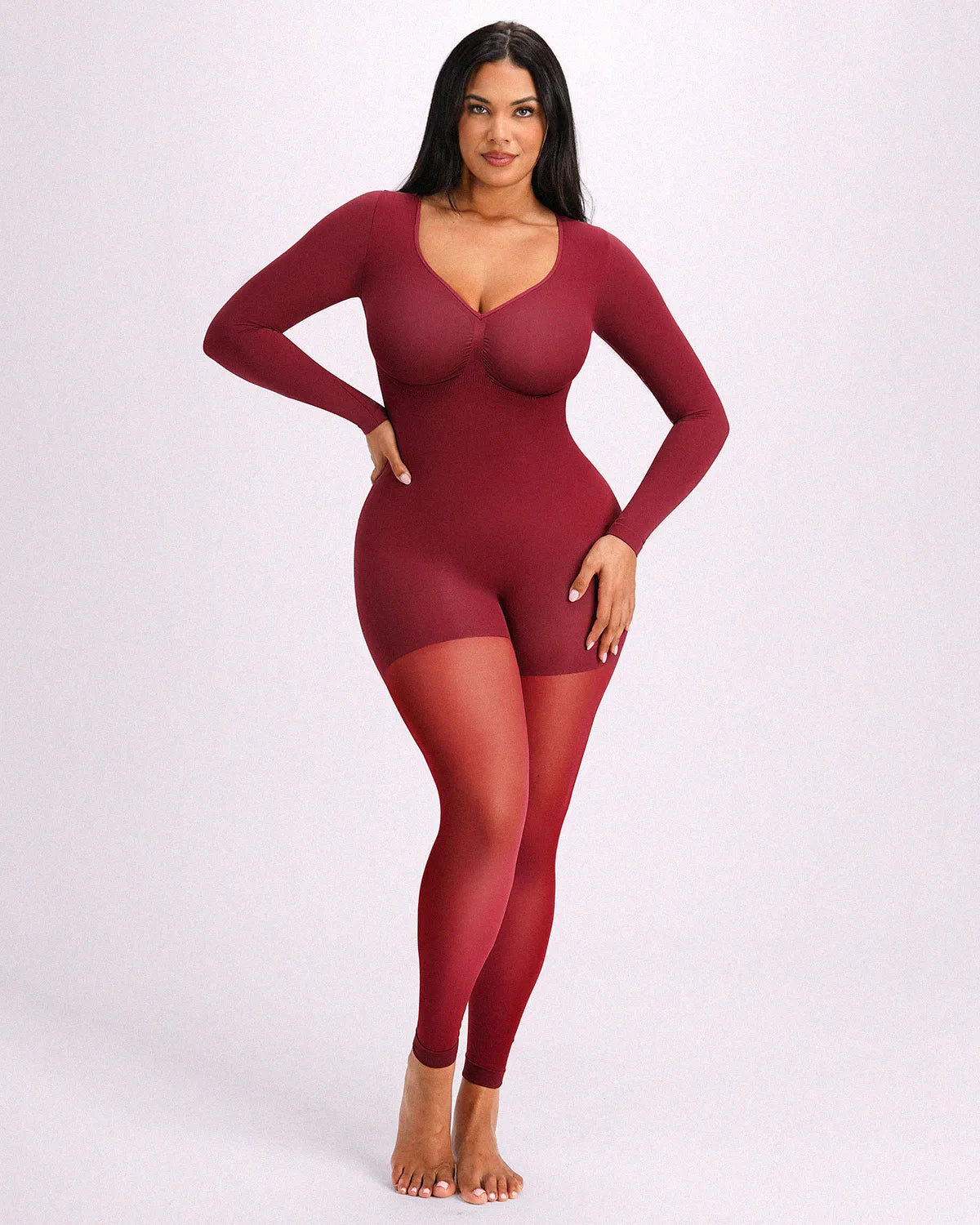
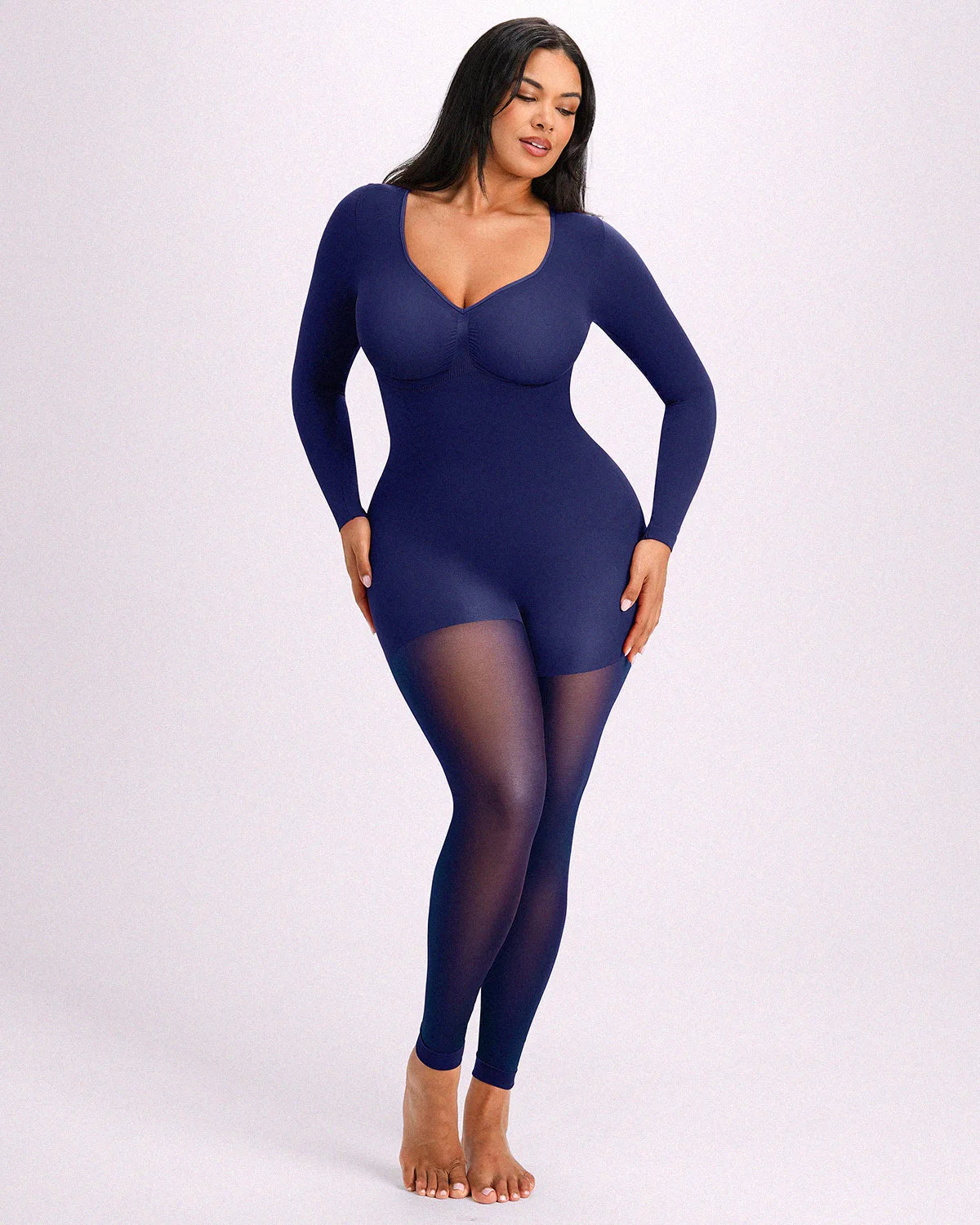


Let's be honest about something the swim industry doesn't love to admit: most women's swimsuits still aren't built with plus-size bodies in mind. They're built for a "standard" body, then scaled up in size without actually changing the shape, support, or construction. That's the root of the problem, and it's why so many plus-size women dread swimsuit shopping every single year.
Quick answer: Plus-size women feel uncomfortable in standard swimsuits mainly because of poor pattern grading, weak or missing support structures, fabric that isn't built for curves, physical discomfort from digging seams and straps, and social pressure that makes the whole experience stressful before the suit is even on. Let's break each of these down properly.

The Real Problem Starts With How Swimsuits Are Sized
A lot of people assume "plus-size" swimwear is just a regular swimsuit made bigger. It isn't supposed to work that way, but in practice, that's exactly what happens with most mass-market brands.
Pattern and Sizing Issues
Most standard swimsuit patterns are graded up mathematically—meaning a size 8 pattern gets stretched proportionally to become a size 18 or 20. The problem is that bodies don't grow proportionally. Curves distribute weight differently depending on the person, so a suit that's "technically" the right size on paper can still gap at the bust, ride up at the hips, or dig into the thighs.
This creates a frustrating cycle:
- Buying a size up for coverage, only to have the straps and chest area too loose
- Buying true-to-size for the chest, only to have the bottom cut too tight
- Constantly adjusting the suit throughout the day because nothing sits right
None of this is about the body being "wrong." It's about the pattern never being designed for that body shape in the first place.

Fabric and Construction Problems Make It Worse
Sizing is only half the issue. The second major cause is what the swimsuit is actually made of and how it's put together.
Weak Fabric and Missing Support
Standard swimsuits often use thinner, more stretchy fabric that's fine for smaller frames but doesn't hold up under more curves and movement. Without built-in structure—like reinforced panels, wider straps, or shaping linings—the fabric stretches out fast, loses shape after a few wears, and offers zero support where it's actually needed.
Pros and cons of typical standard-fit fabric:
- Pro: Lightweight and quick-drying
- Pro: Usually more budget-friendly upfront
- Con: Loses elasticity quickly with more wear and movement
- Con: Rarely includes structural support like boning or compression panels
- Con: Often sheer or thin enough to require a lining that isn't included
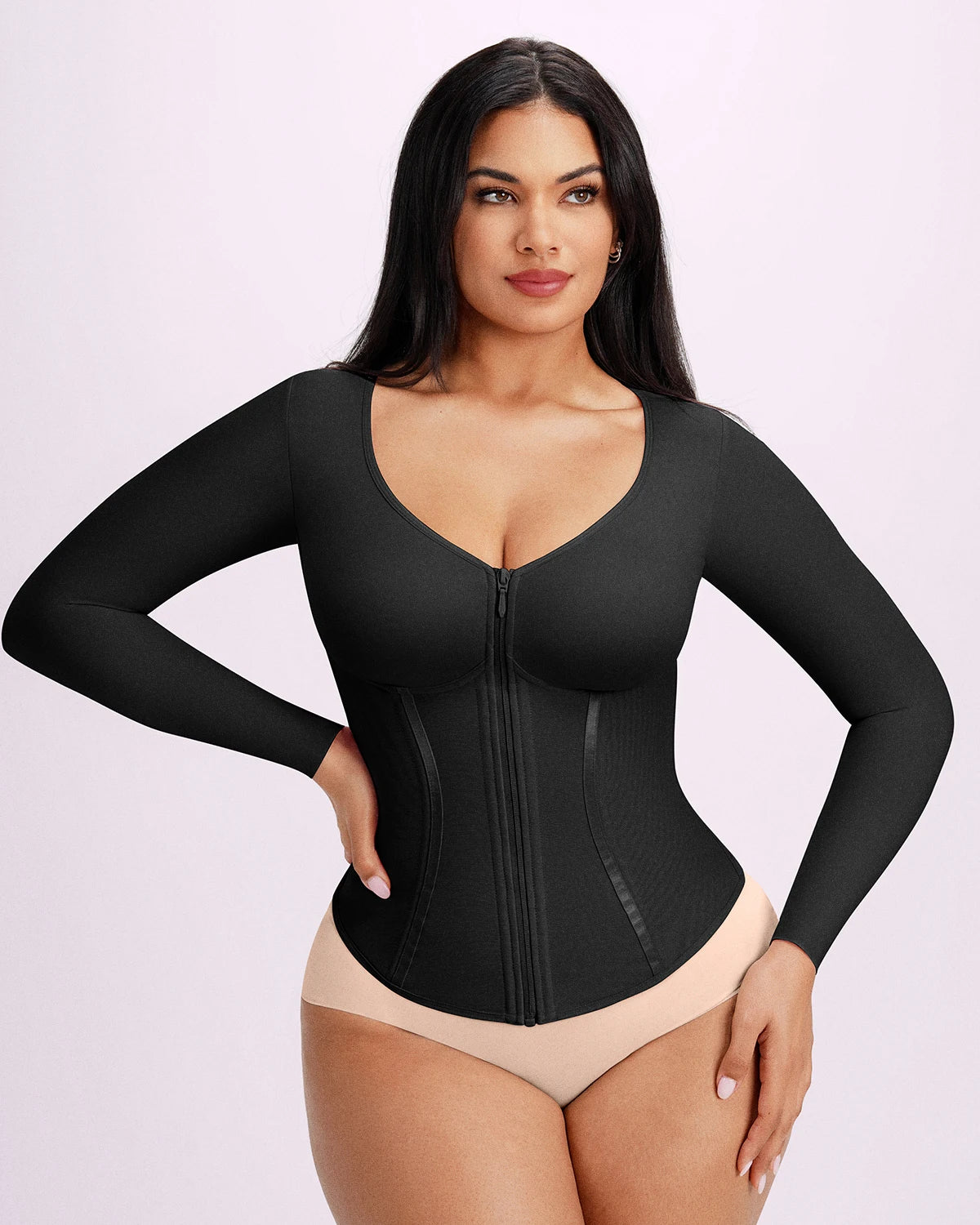
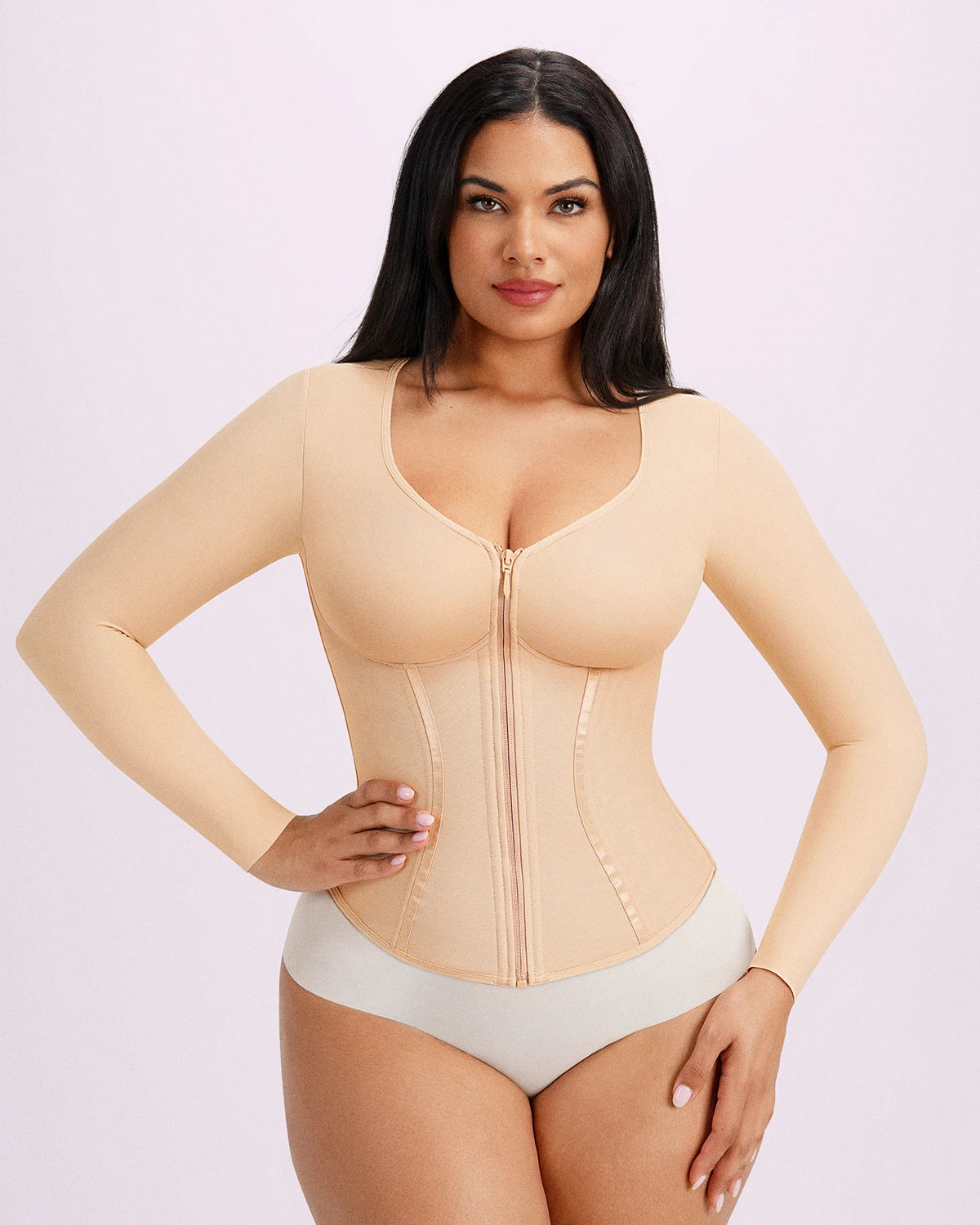
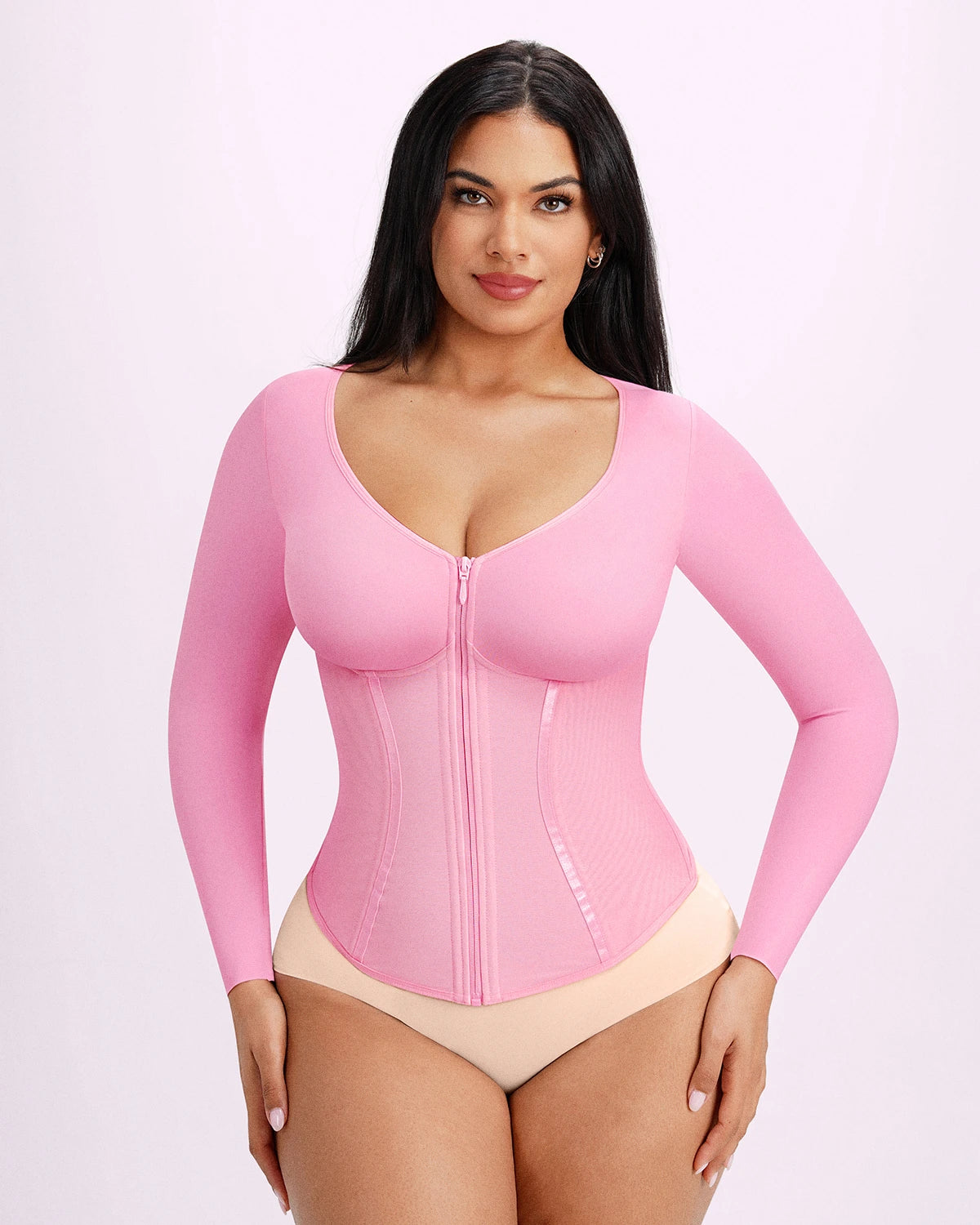
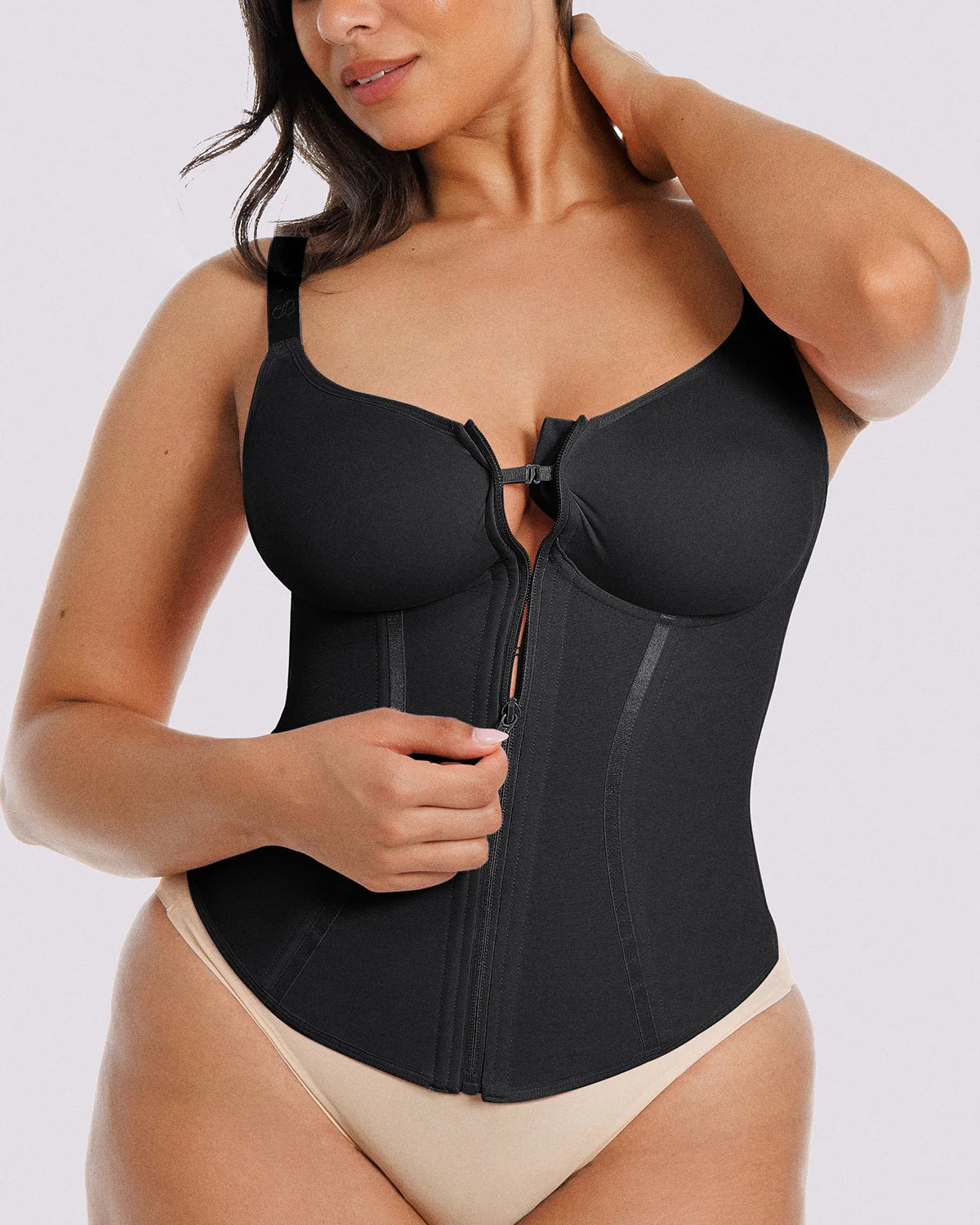
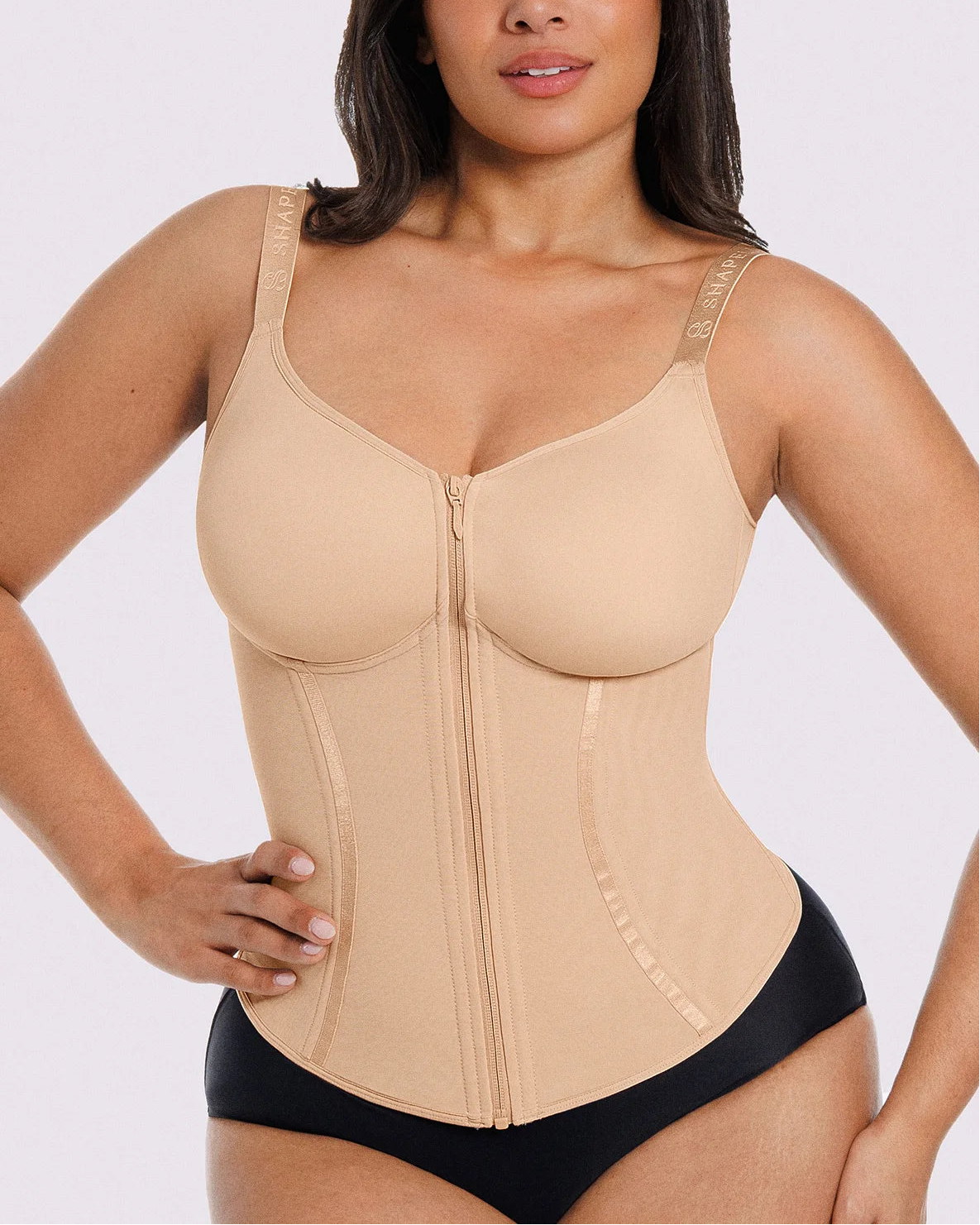
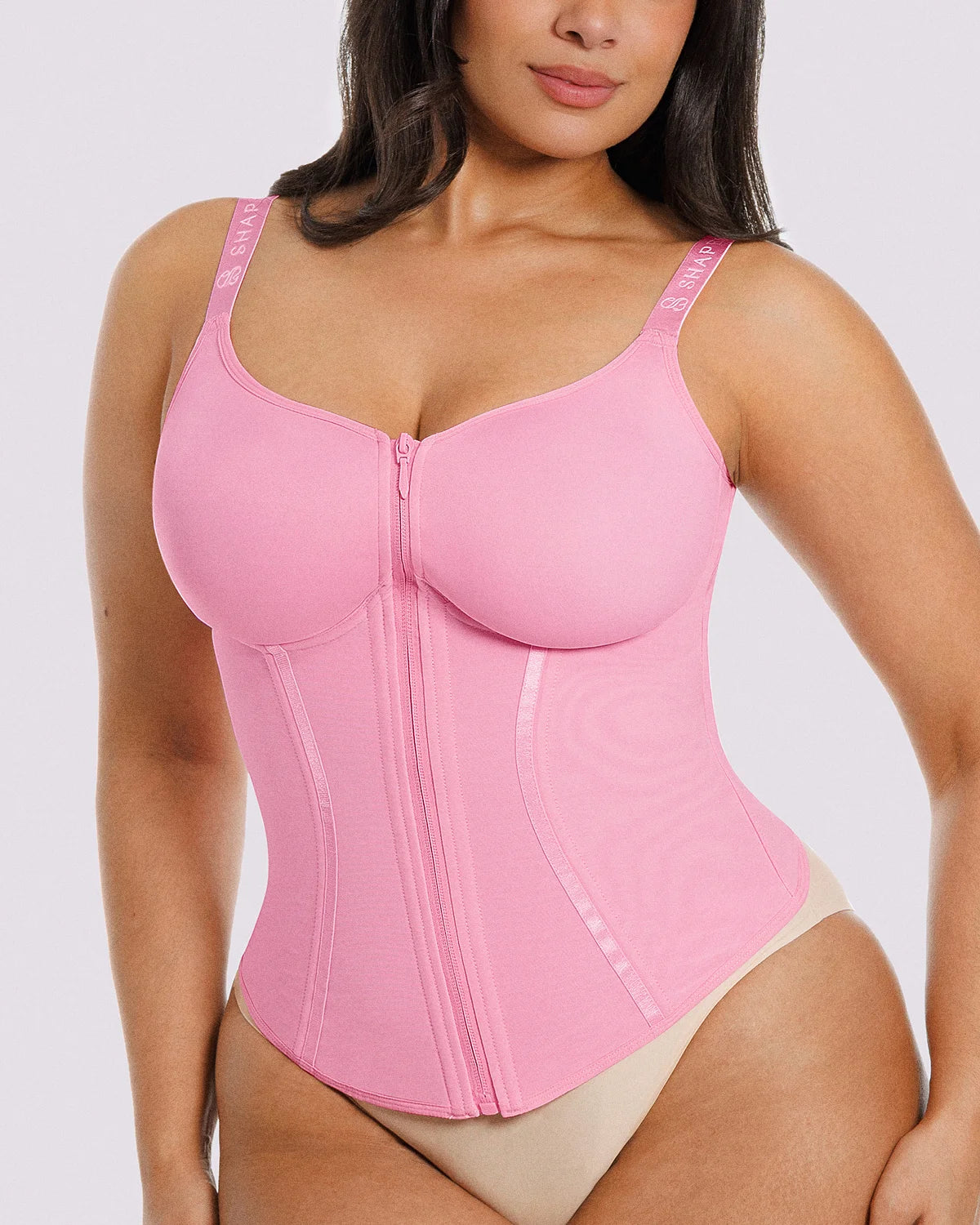
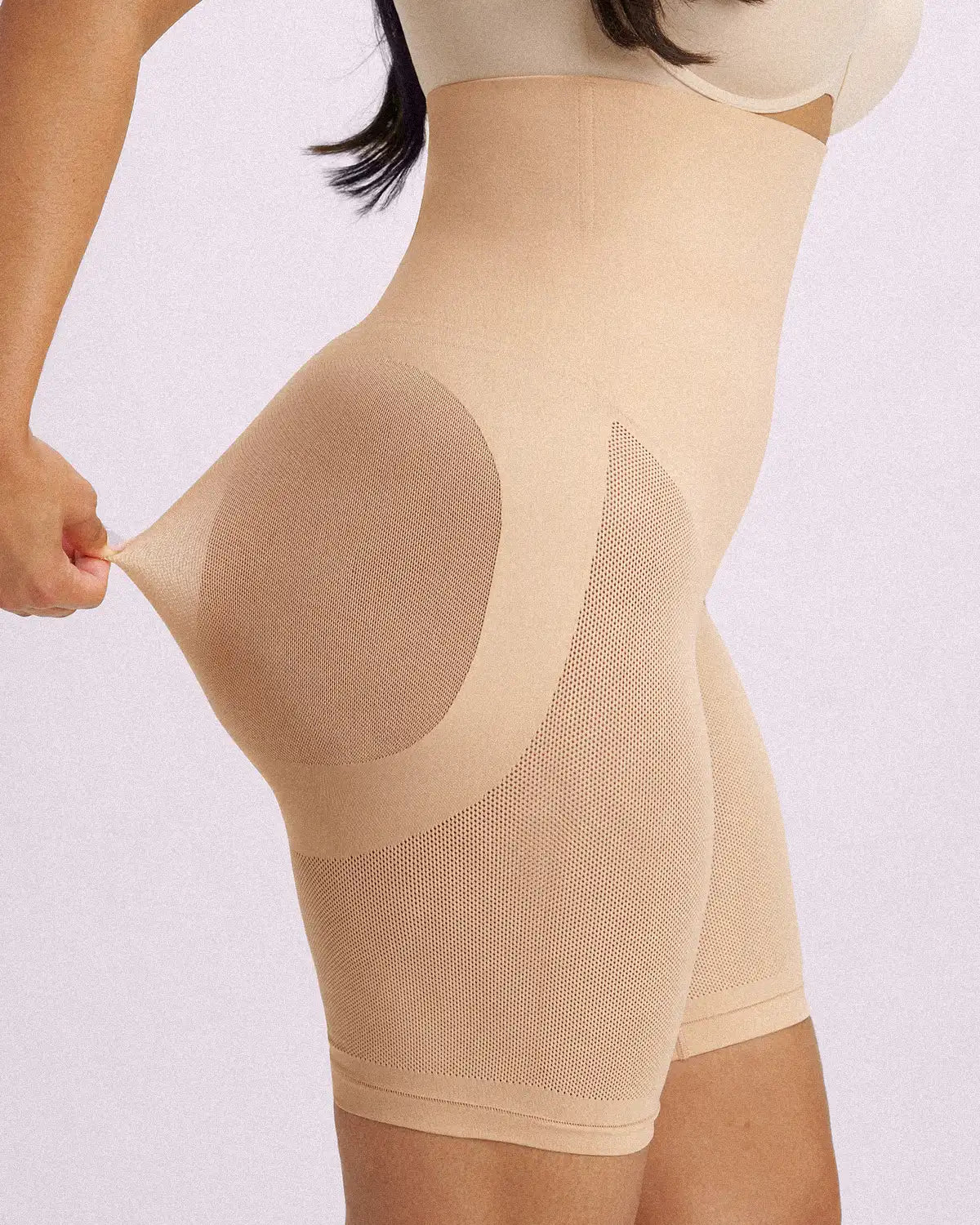
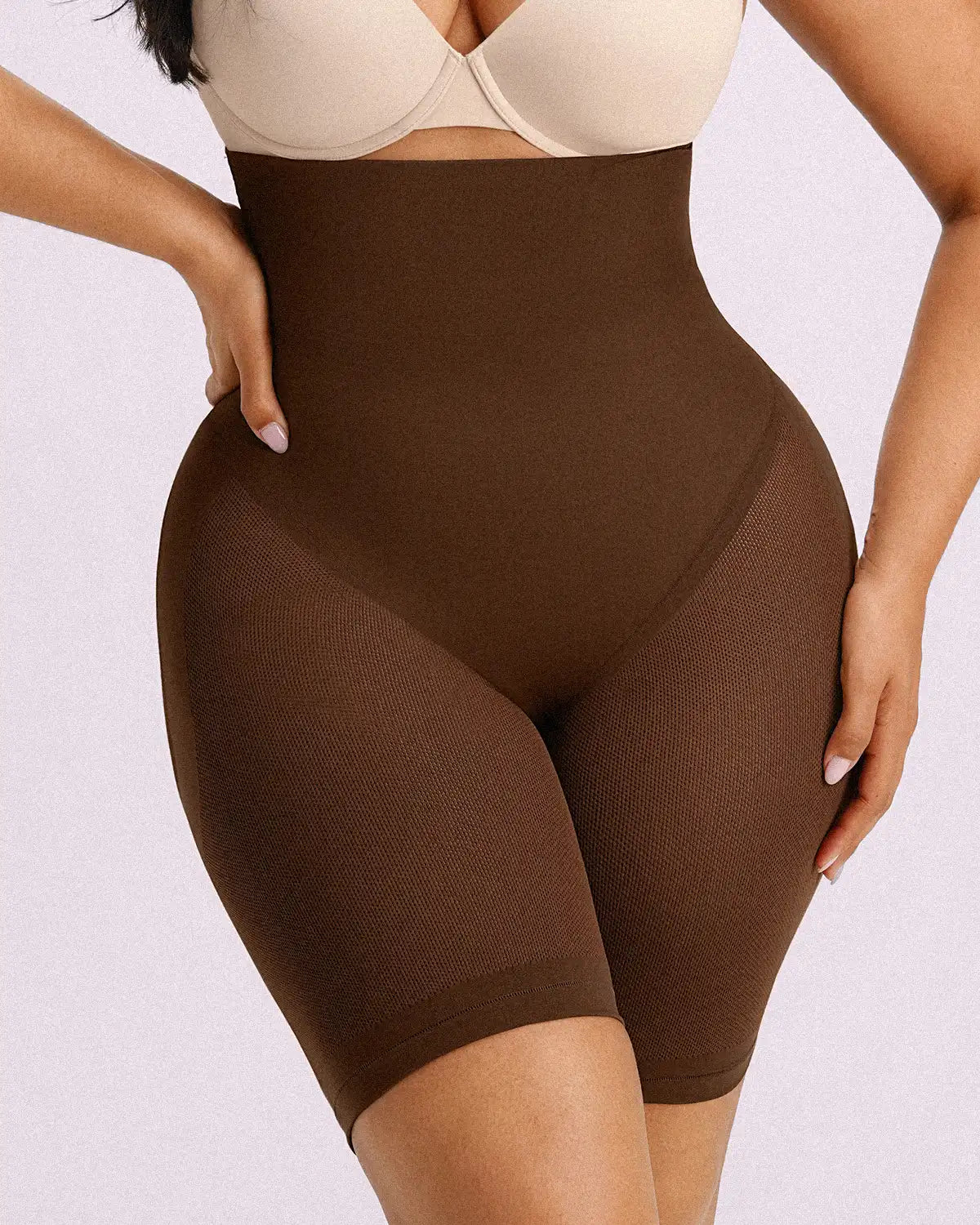
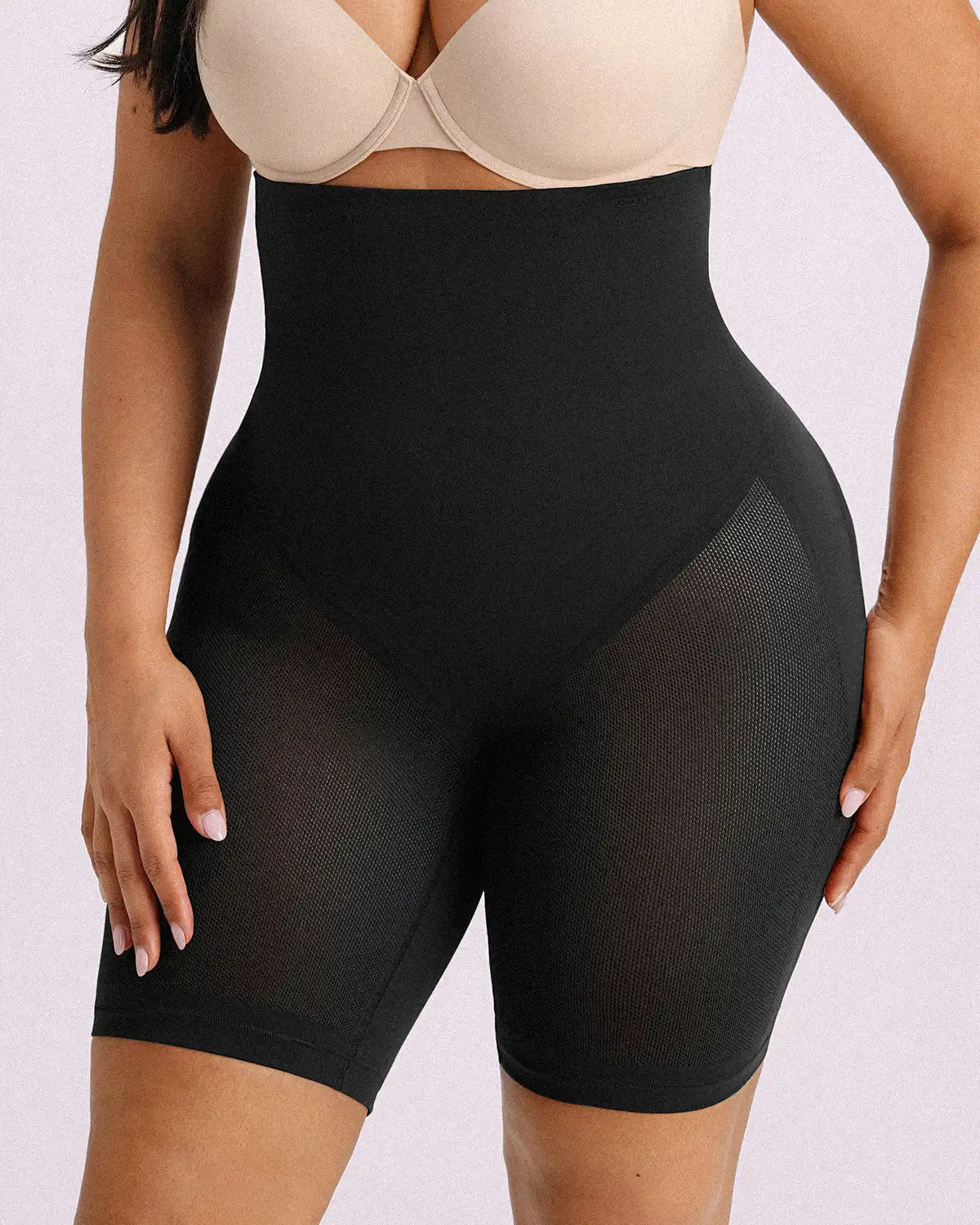
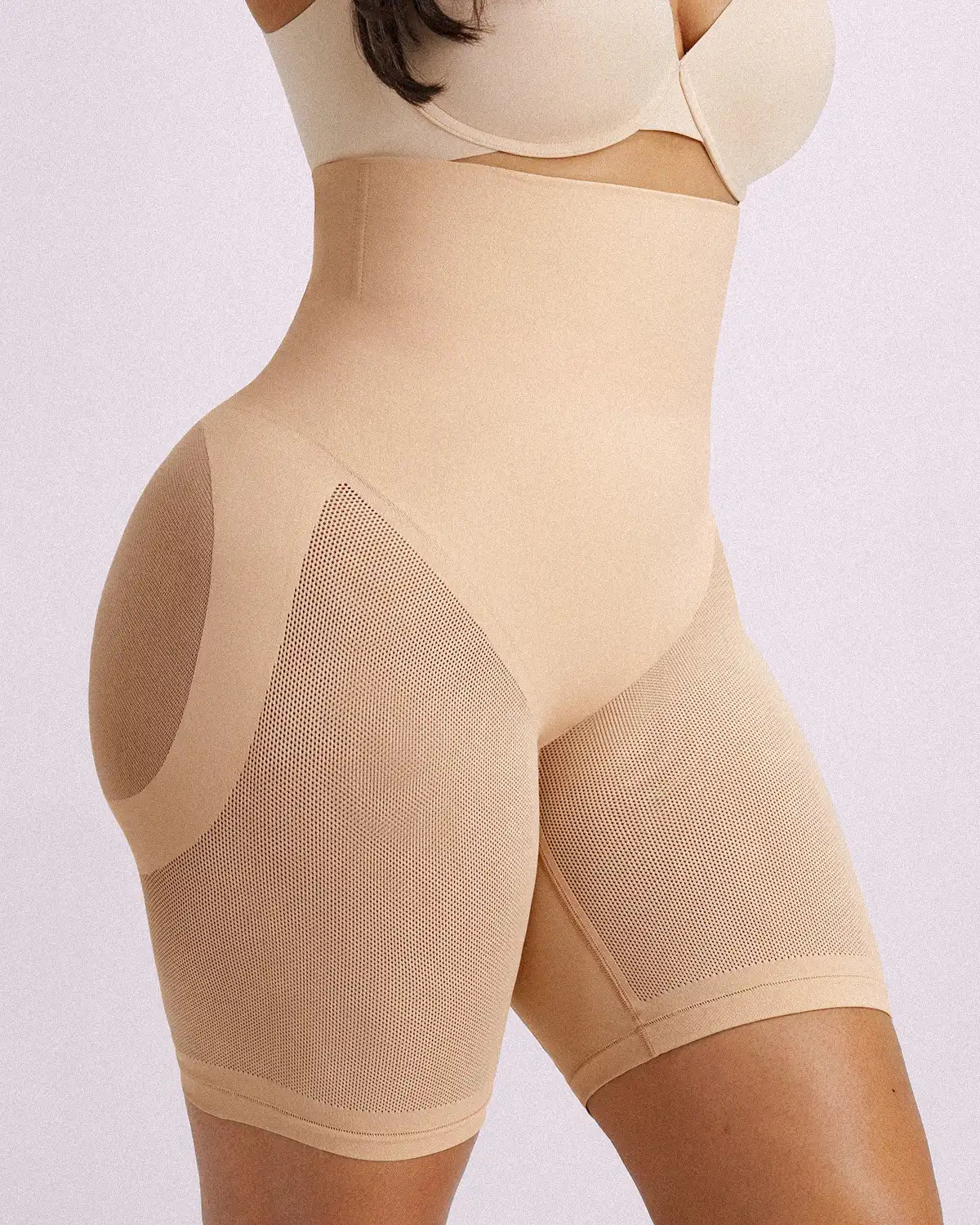
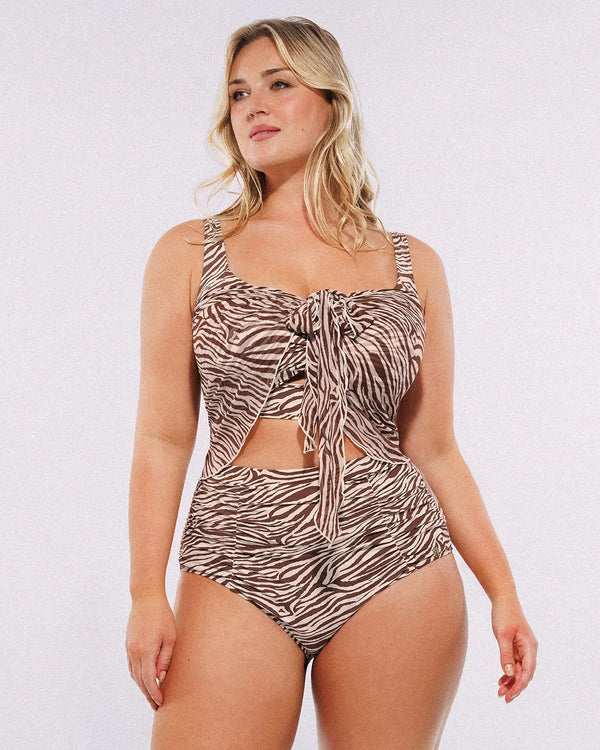
This is exactly the gap that shaping-focused designs are meant to close—construction that actually supports the body instead of just stretching to cover it. Brands that build with curves in mind from the start, like the options in this tummy control swimwear collection, tend to bake support directly into the seams and lining instead of treating it as an afterthought.
Discomfort During Wear Is a Daily, Physical Issue
This is the part that gets talked about the least, but it's arguably the biggest reason plus-size women avoid swimwear altogether—the suit is just physically uncomfortable to wear.
Common physical complaints include:
- Straps digging into shoulders and leaving marks
- Underwire or elastic edges rolling or cutting into skin
- Bottoms riding up constantly, especially when sitting or swimming
- Chafing along seams during movement
- Suits that feel restrictive in the torso, making it hard to breathe or move naturally
None of this is minor. When a swimsuit hurts or constantly needs adjusting, it stops being about fashion and starts being about survival for the next few hours. That discomfort compounds fast, especially on vacation days meant to be relaxing.
Psychological and Social Factors Play a Huge Role Too
Even if a suit fits perfectly, there's another layer that standard sizing completely ignores—how plus-size women are made to feel while shopping for and wearing swimwear in public.
The Mental Load Before the Suit Even Goes On
Dressing rooms with unflattering lighting, limited size availability in-store, and swimwear sections that stop at a certain size all send a quiet but clear message: this wasn't designed with you in mind. That messaging sticks. Many plus-size women report feeling anxious about pool days or beach trips not because of the water, but because of the anticipated stress of finding something that fits and feels good.
Social comparison adds another layer. Swimwear is one of the most exposed types of clothing, and when the available options don't reflect a wider range of bodies, it reinforces the idea that certain body types are an exception rather than the norm.
Industry and Market-Level Causes Behind the Gap
Zooming out, a lot of this traces back to how the swimwear industry has historically operated.
- Many brands design their "hero" styles for smaller sizes first, then extend the size range later without redesigning the pattern
- Plus-size lines are frequently treated as a smaller, separate category instead of being integrated into the main collection
- Fabric and construction costs are often kept lower for extended sizes, even though larger sizes generally need more structure, not less
- Marketing and sample photography have historically underrepresented plus-size bodies, which shapes what gets designed and prioritized
This isn't a small oversight — it's a pattern (literally and figuratively) that's been baked into the industry for years. The good news is that it's shifting, with more brands designing shaping-focused swimwear from the ground up rather than retrofitting smaller patterns.
The Bottom Line
The discomfort plus-size women feel in standard women's swimsuits isn't about the body—it's about design choices that were never built to account for a full range of body types in the first place. Between inconsistent sizing, weak fabric, physical discomfort, and the social pressure layered on top, it's no wonder swimsuit shopping feels stressful for so many women. The fix isn't a bigger version of the same suit—it's swimwear designed from the start with support, structure, and real bodies in mind.