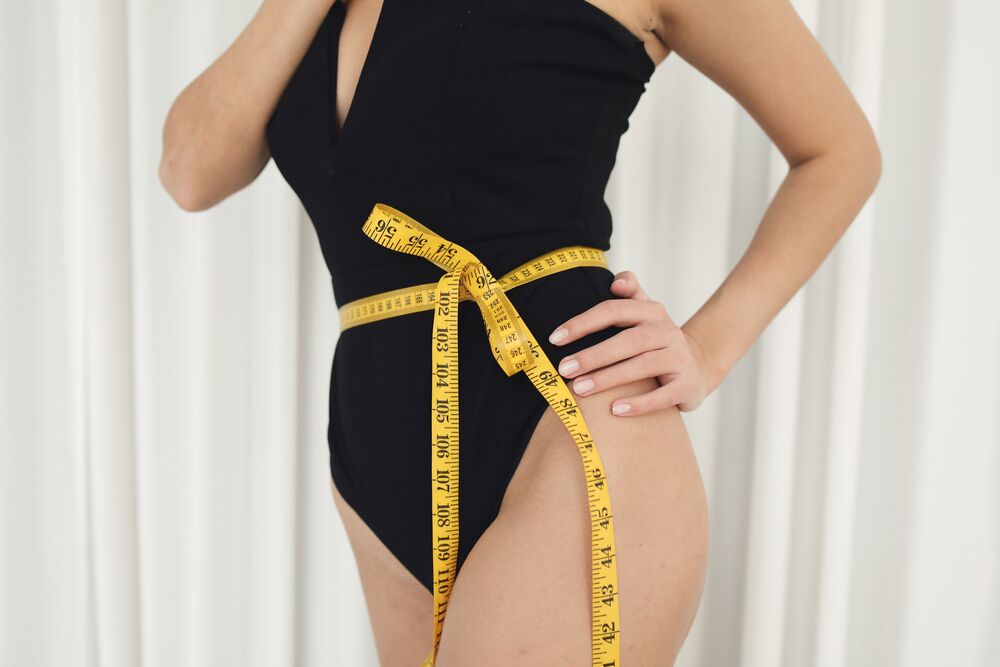

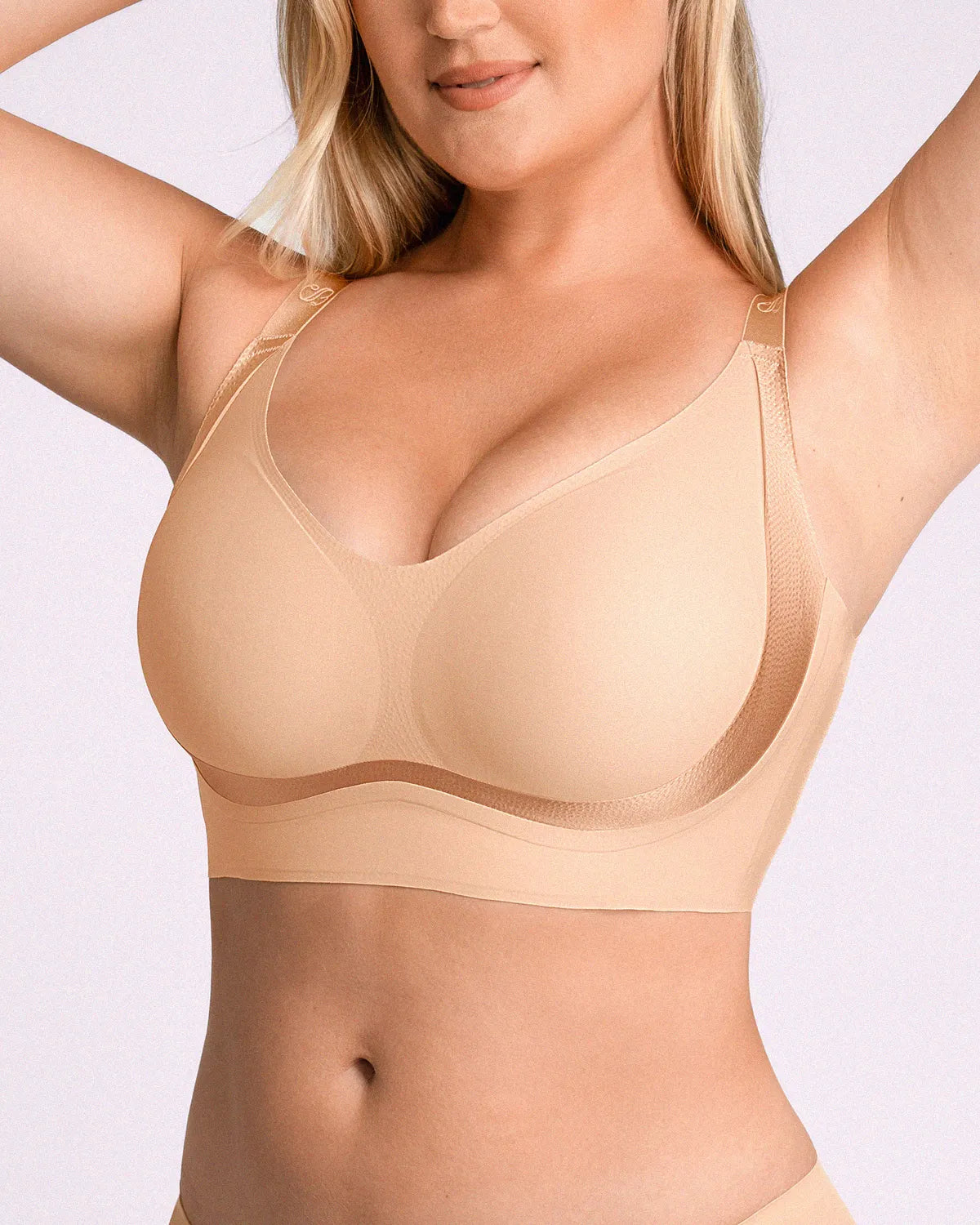

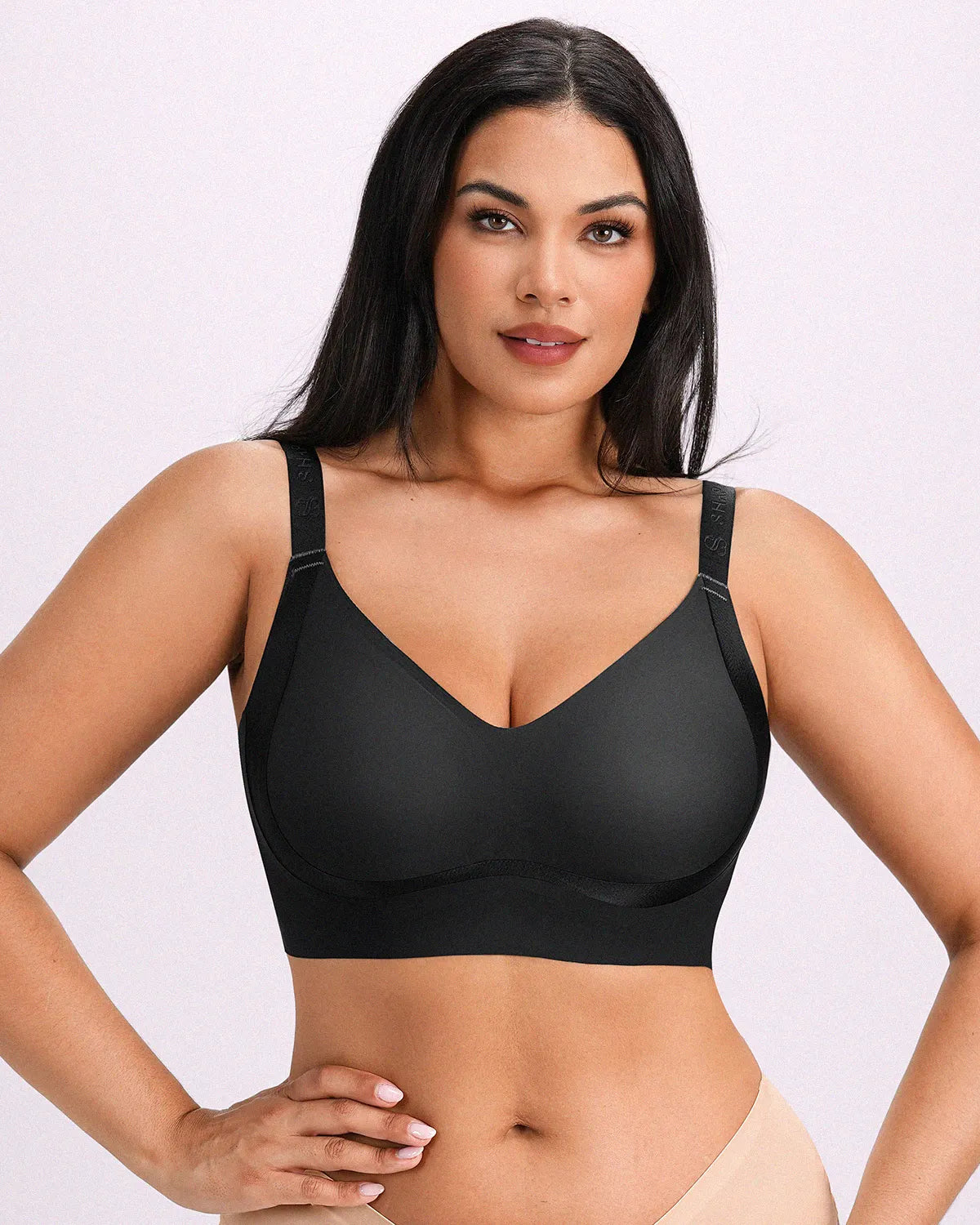
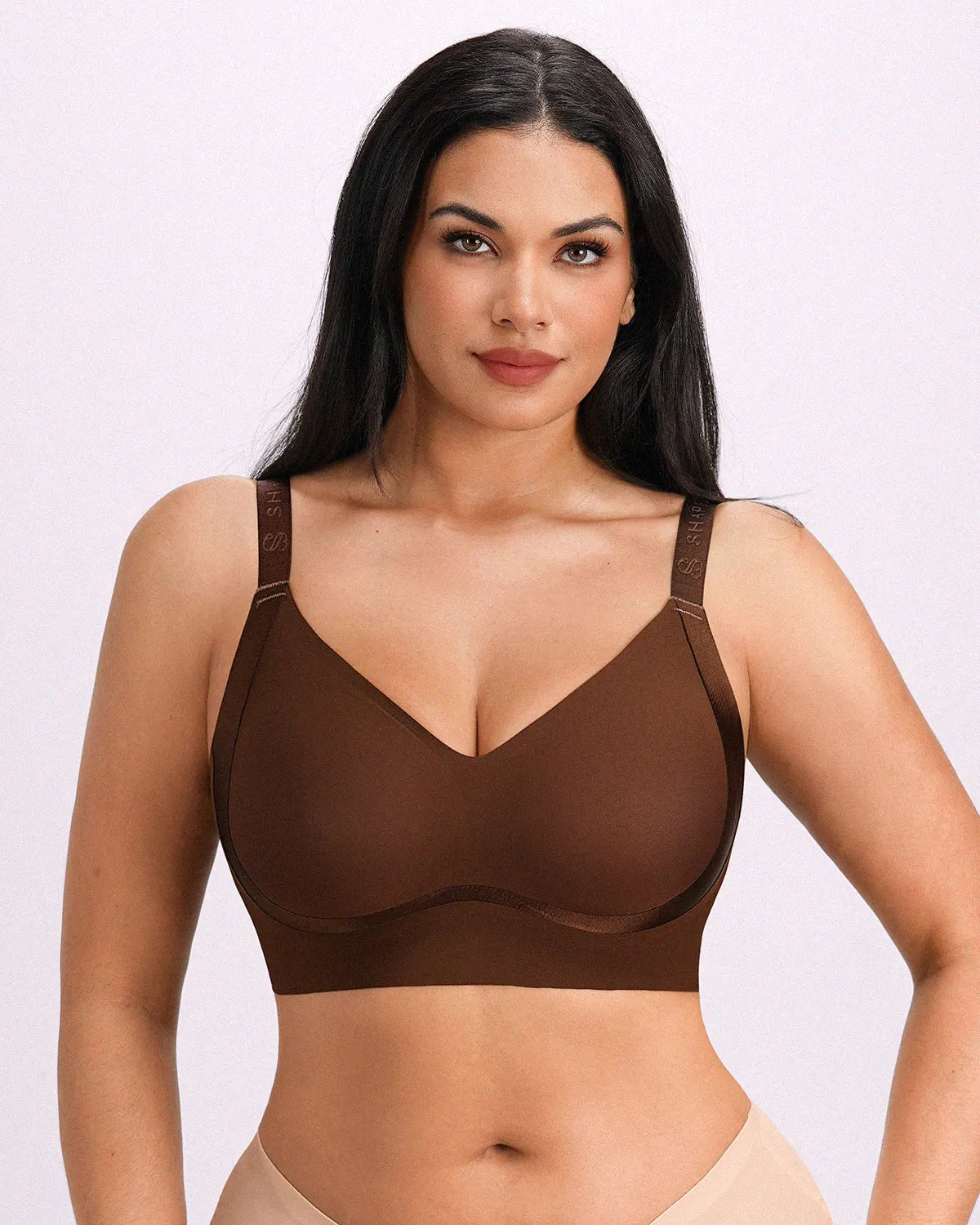






If your body is changing faster than your closet can keep up, you're not imagining it. One of the most common frustrations women run into on a GLP-1 journey is that clothes that fit perfectly a few weeks ago suddenly feel loose in some places and snug in others—and the usual "just buy your size" advice stops making sense.
This isn't a before-and-after story. It's not about dressing for the body you're working toward. It's about feeling comfortable, put-together, and confident in the body you have right now—today, this week, at whatever stage you're at.

Why There's No "Stable Size" on GLP-1
GLP-1 medications can bring on weight change faster than your skin, muscle and connective tissue can adjust to. That mismatch is completely normal—it's physiology, not a lack of discipline. Fat loss often outpaces the body's ability to "catch up," which is why a lot of women notice looser skin, a softer midsection, or a waistline that just doesn't sit the way it used to, even as the scale keeps moving.
The result is what we'd call a moving-target body: not one size, but a body in transition. Clothes bought ahead may still be too big. Clothes from a few months ago may already be too small. Somewhere in between, almost nothing fits exactly the way you want it to—and that's the stage most style advice simply doesn't talk about.
Wardrobe Principles for a Body in Transition
You don't need to overhaul your closet every few weeks, and you don't need to hold off on dressing well until you land on a "final" size. A few principles make the in-between stage much easier to navigate:
Choose fit over size. A number on a label means very little when the fit is off. Pieces that are tailored—especially at the waist—will look intentional even as your body keeps shifting underneath them.
Reach for adjustable, stretch-forward pieces. Wrap styles, tie waists, elastic waistbands, and stretch-and-recovery fabrics move with a changing body instead of straining against it. They're far more forgiving than rigid, structured fabrics like denim.
Use layers to bridge the gap. A blazer, an open cardigan or a longline layer can carry an outfit through the awkward stretch where one part of your body has changed faster than another.
Where Shapewear Fits Into a GLP-1 Journey
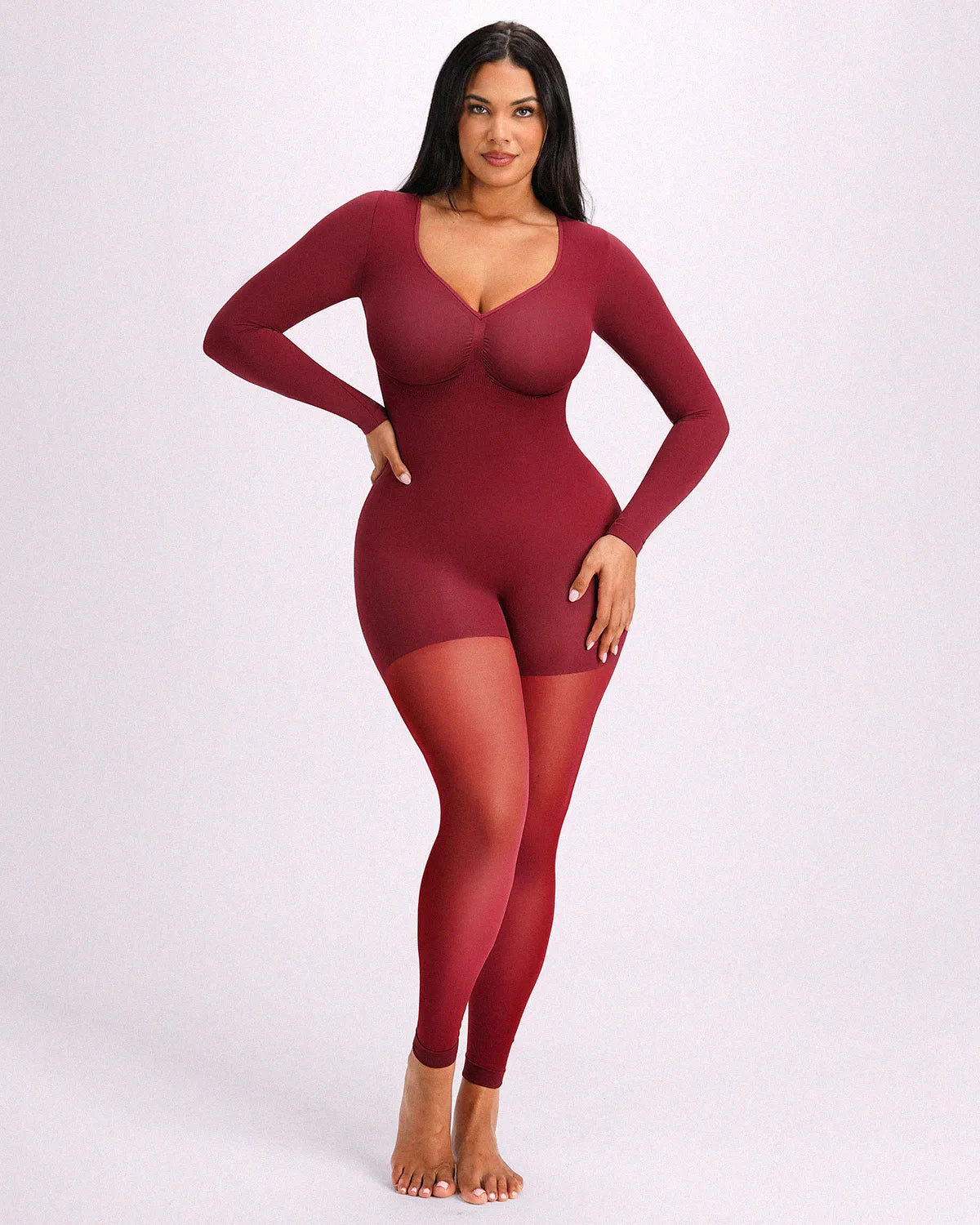
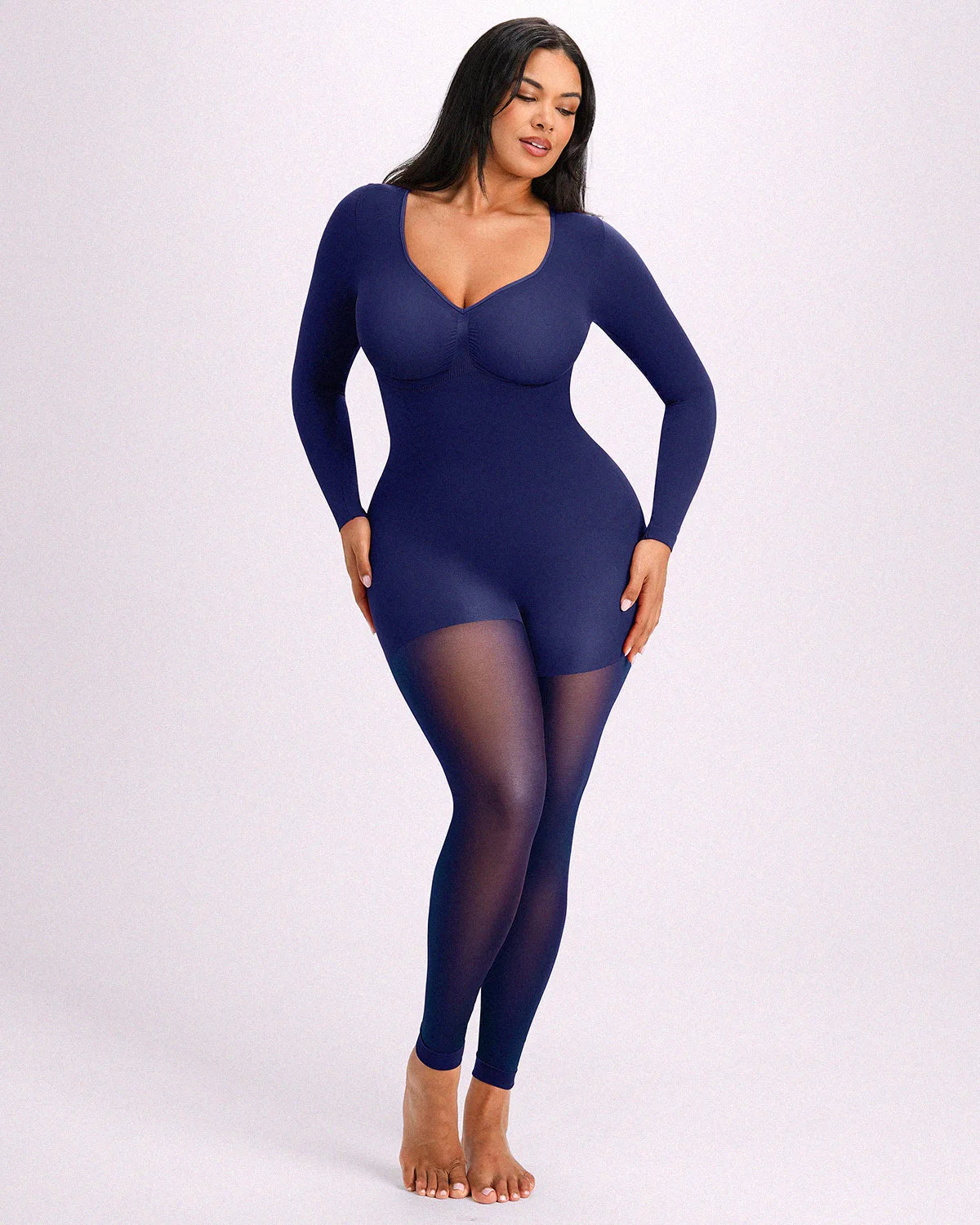
During a GLP-1 journey, shapewear does a different job than it does for a body that isn't changing. It's less about maximum compression and much more about comfort, support, and helping your current clothes work for your current body.
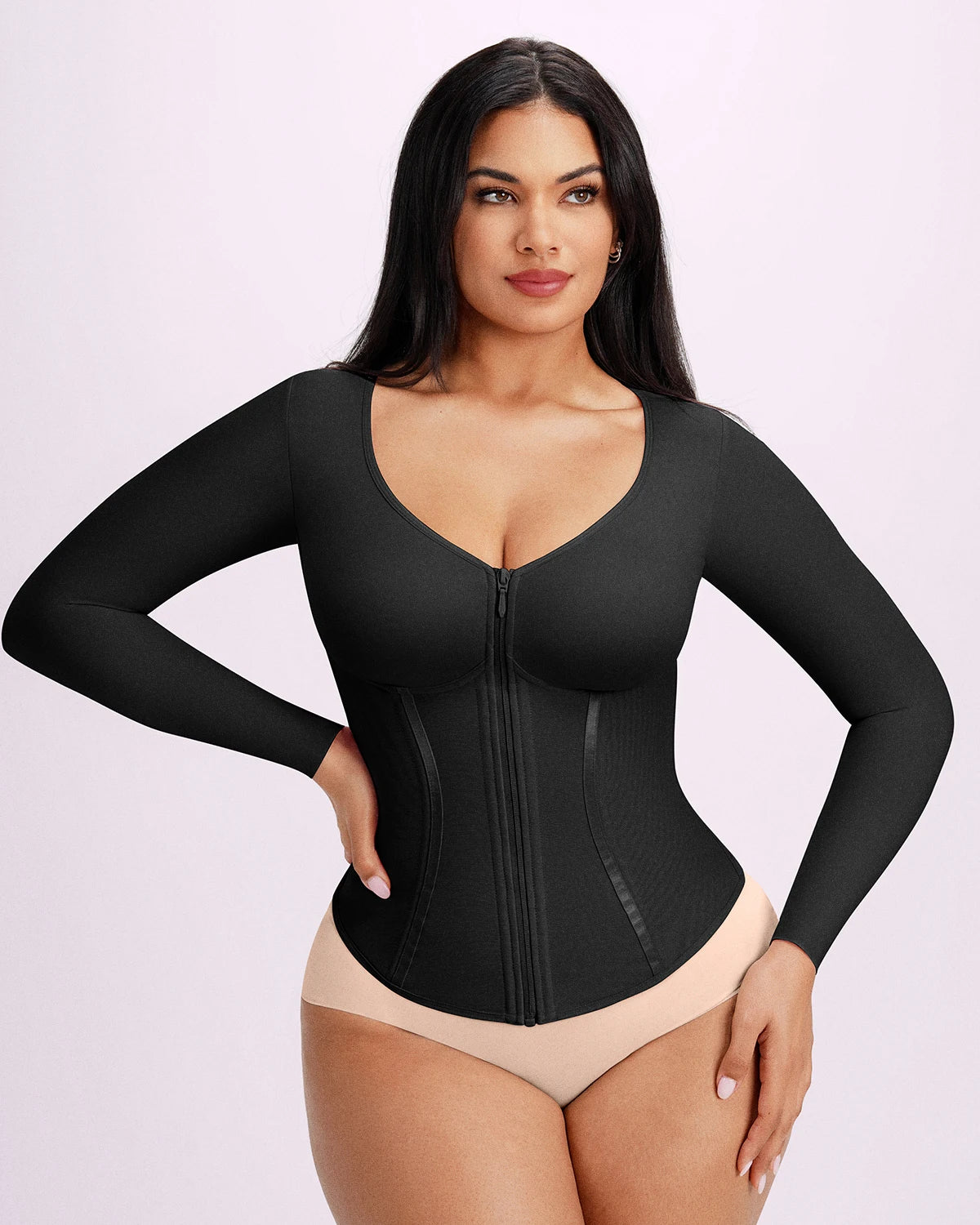
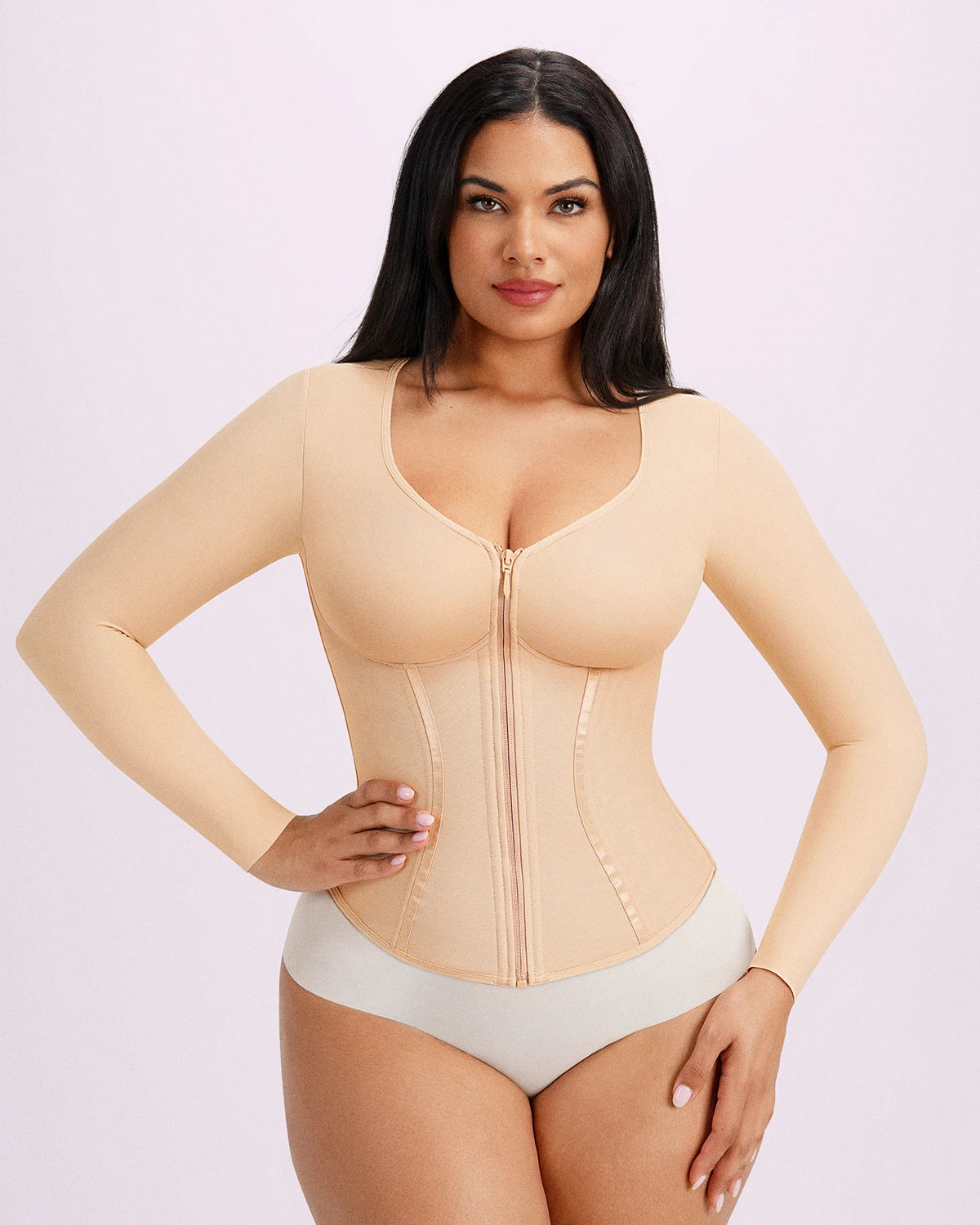
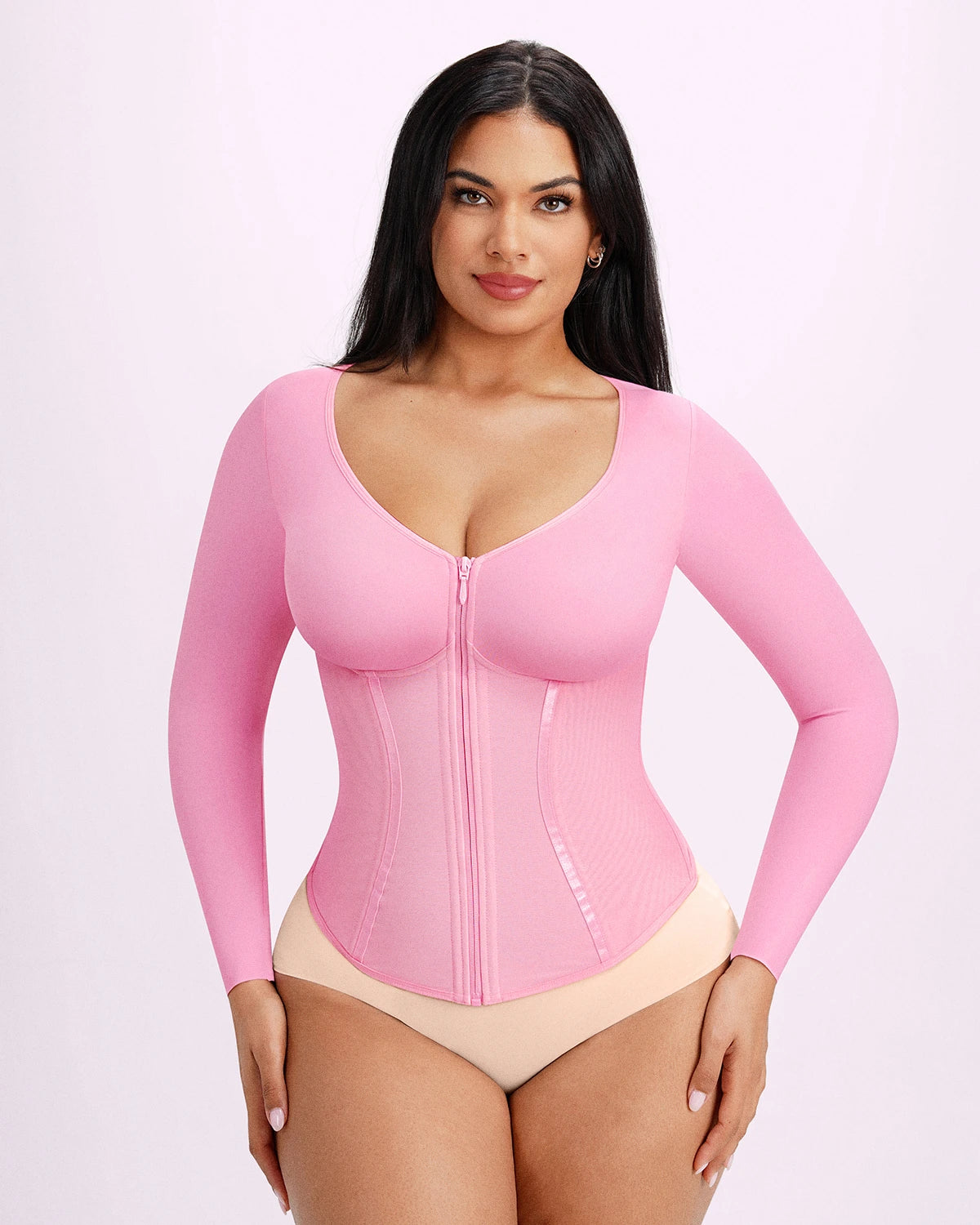
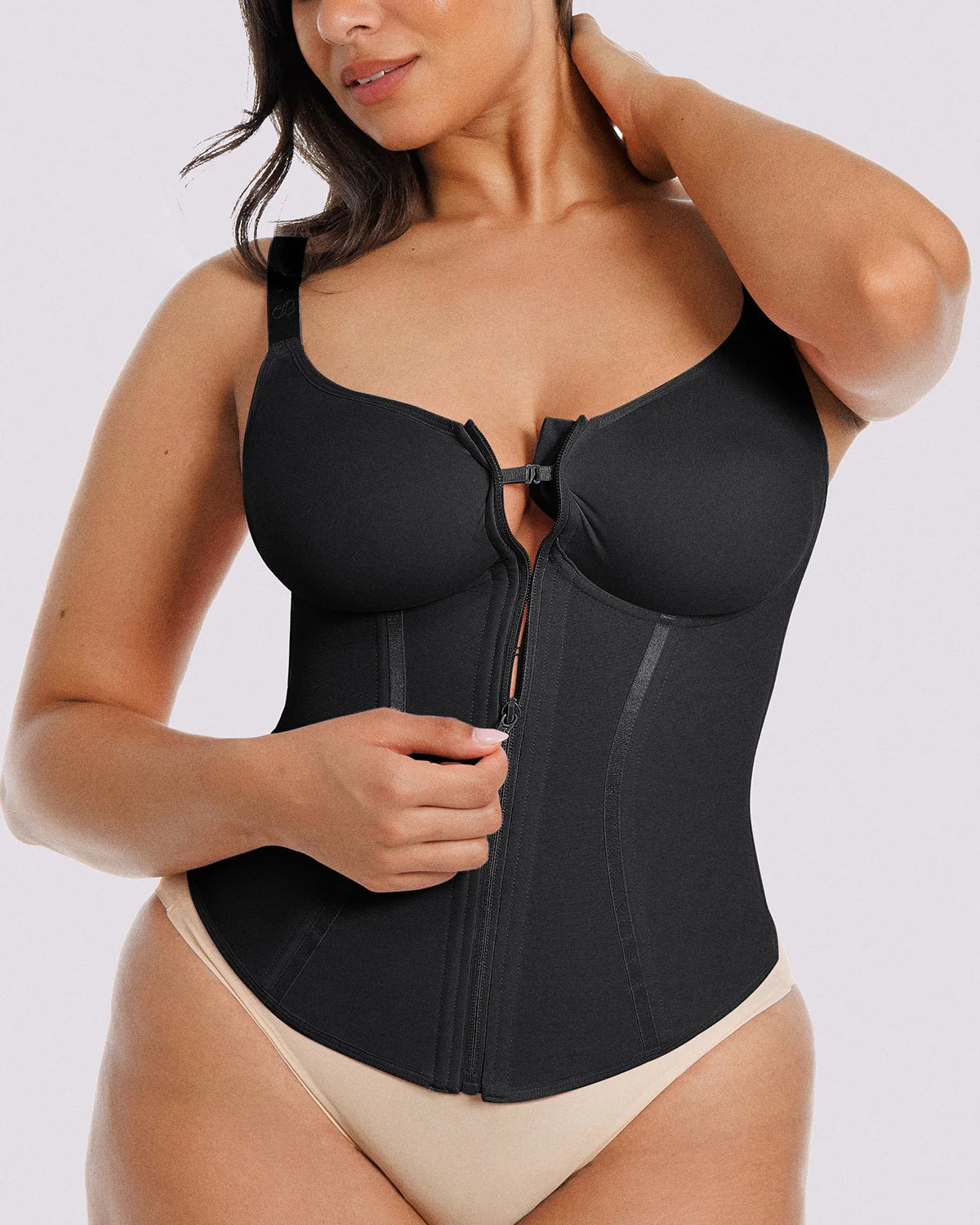
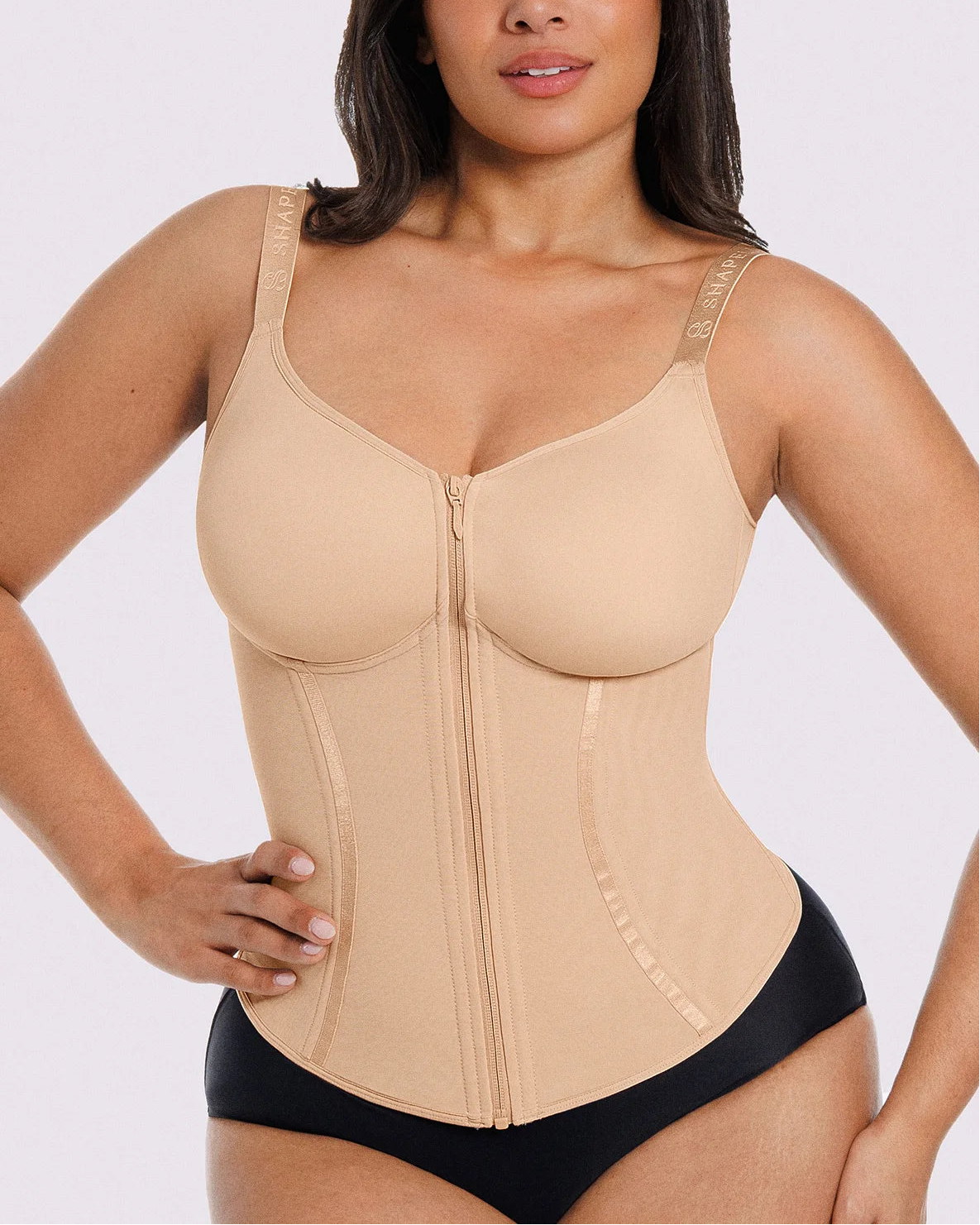
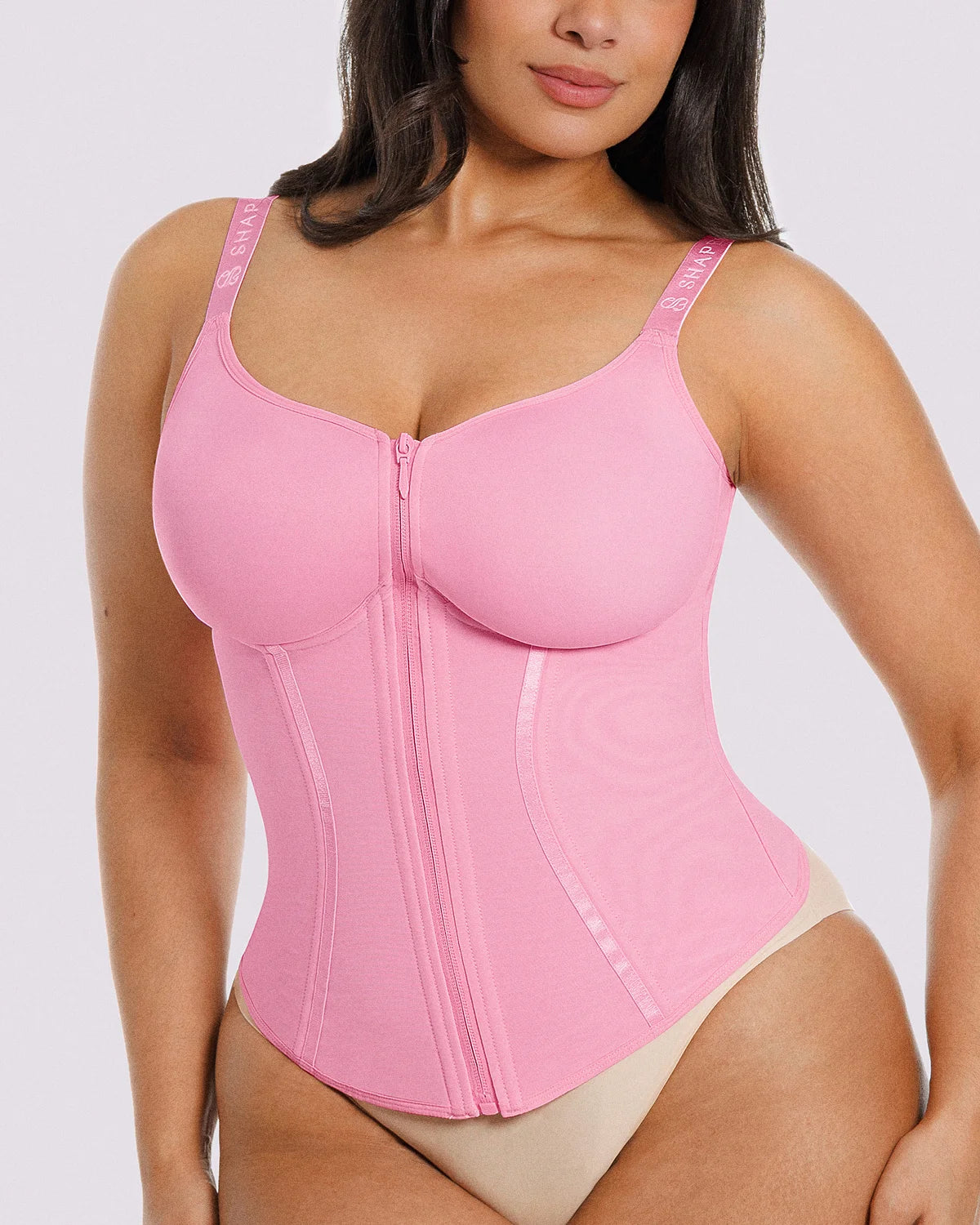
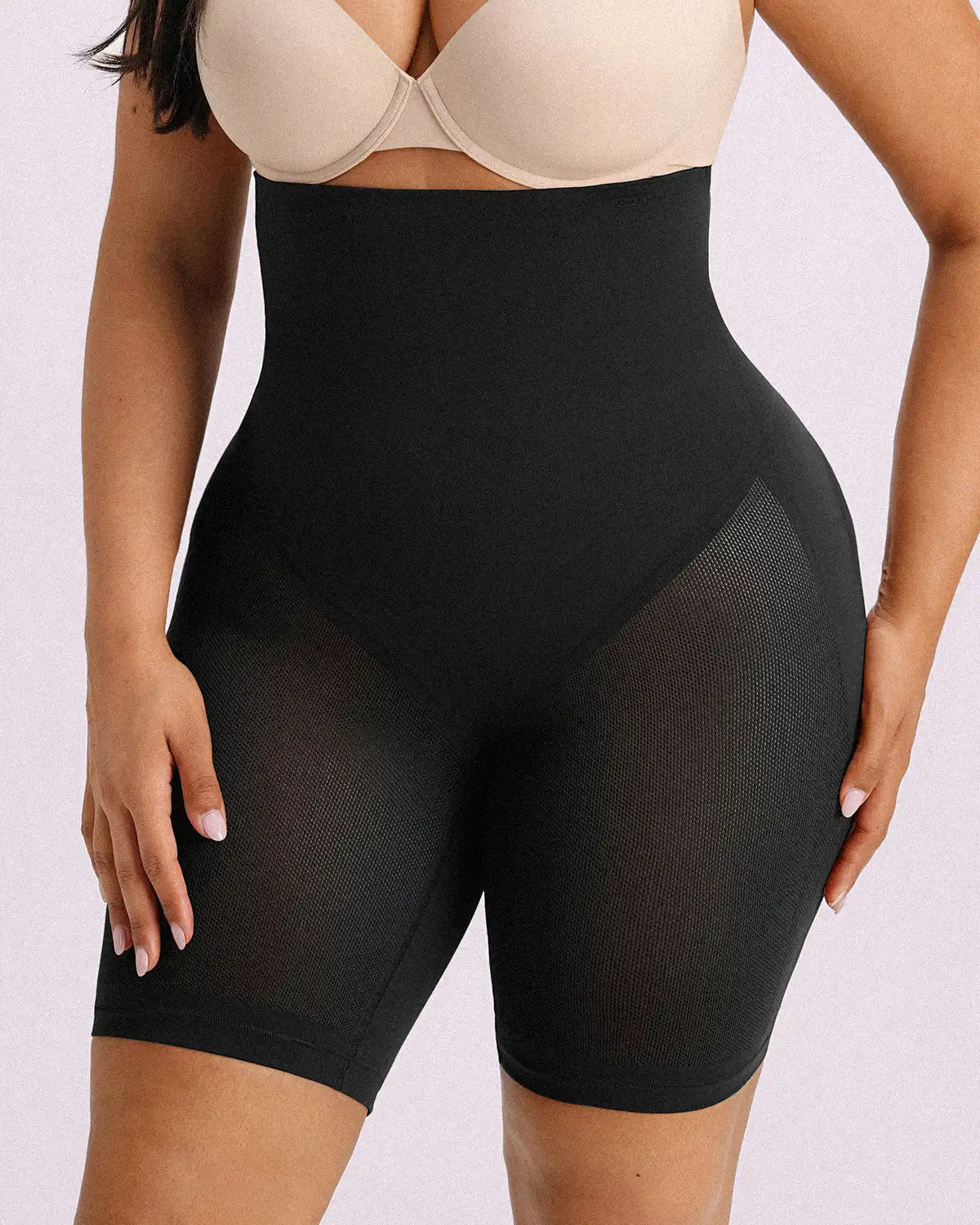
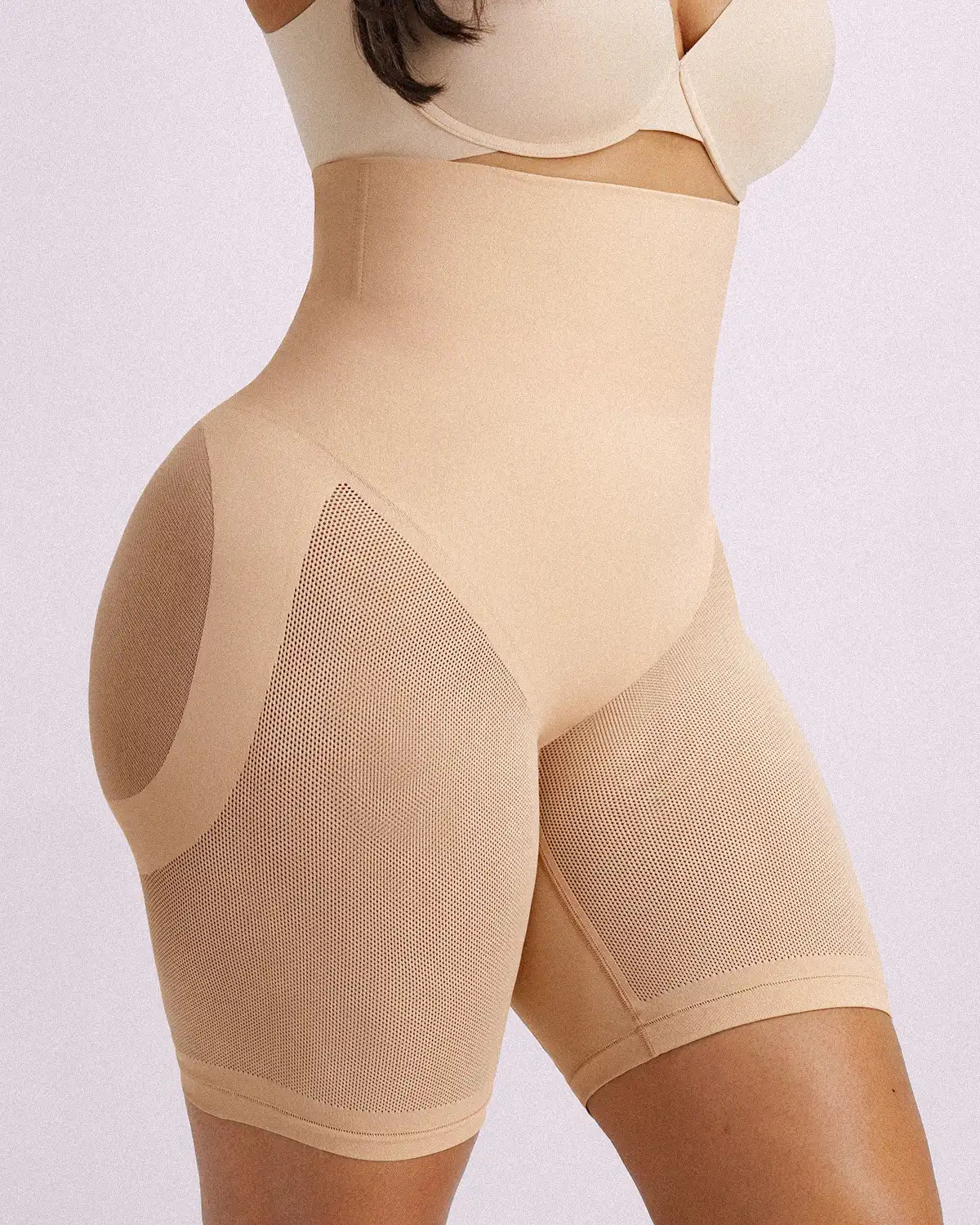
Smoothing loose or looser skin. As fat loss outpaces skin's ability to adjust, light-to-medium compression can smooth and support the midsection without feeling restrictive—creating a cleaner line under clothing while staying comfortable enough for all-day wear. Shapellx's best tummy control shapewear are built for exactly this—gentle, breathable support through the area where change tends to show up first.
Giving your core a sense of support. As the body changes, many women describe the midsection as feeling less "held" than it used to. A shaping layer with a soft tummy panel offers that support—not for compression's sake, but for the stability it provides through the day.
Bridging the fit gap. When trousers or a dress fit everywhere except the waist, a shaping layer underneath smooths that extra room so it reads as an intentional fit rather than a garment that's simply too big.
Keeping oversized clothes in place. Clothing that's a little loose tends to shift and bunch. A shaping base layer anchors things, so you're not adjusting your outfit all day.
For all-day wear, comfort matters as much as control. Shapellx's super comfy collection is designed for exactly this stage—soft, breathable, flexible pieces that support without ever feeling restrictive, so shaping wear becomes something you reach for daily, not just for special occasions.
Shapewear Essentials for Every Stage of a GLP-1 Journey
A few pieces tend to be the most useful, whatever stage of the process you're in:
- A shaping tank or cami — the most versatile piece for a changing body. It smooths the midsection without relying on a waistband, and works under nearly any outfit.
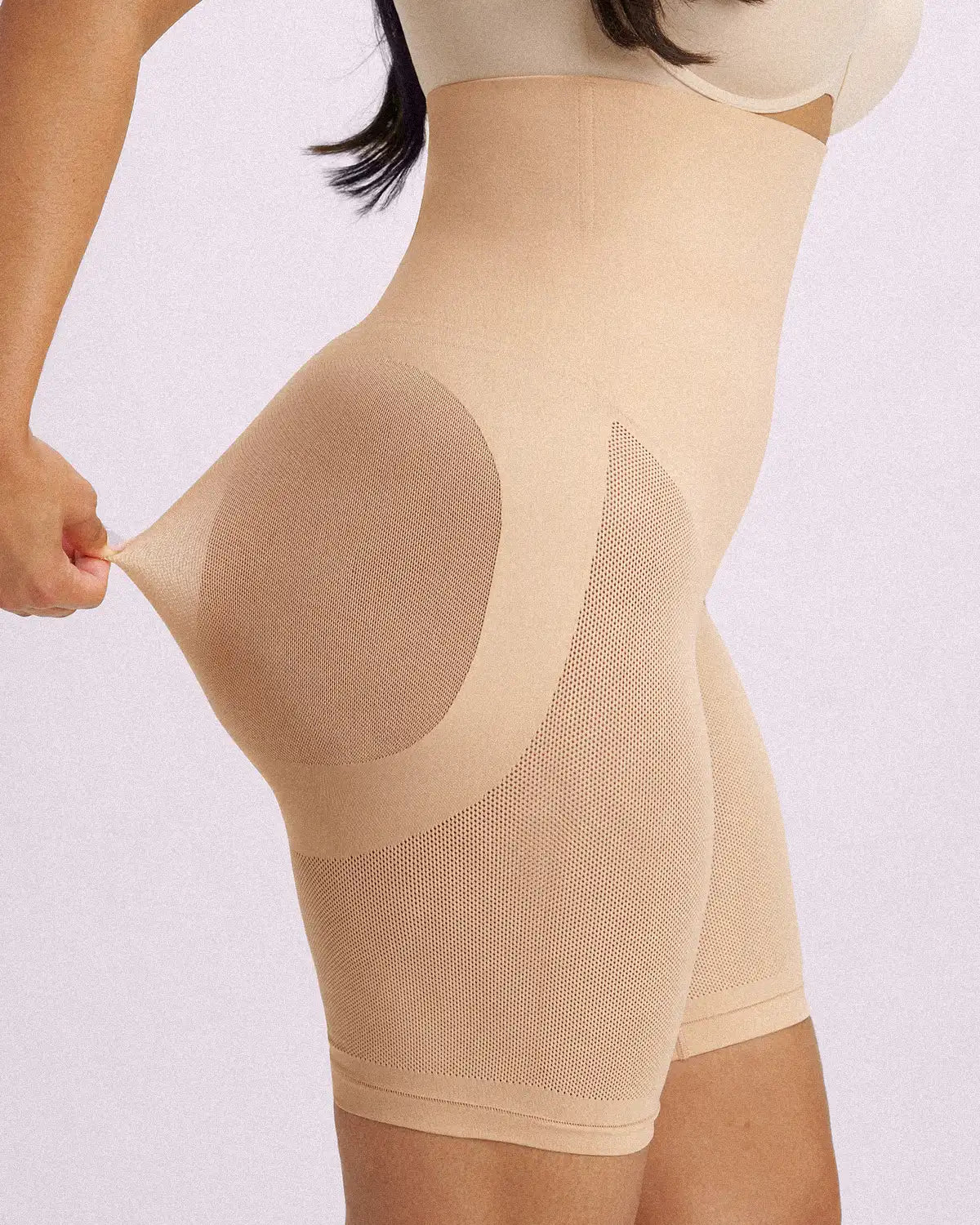
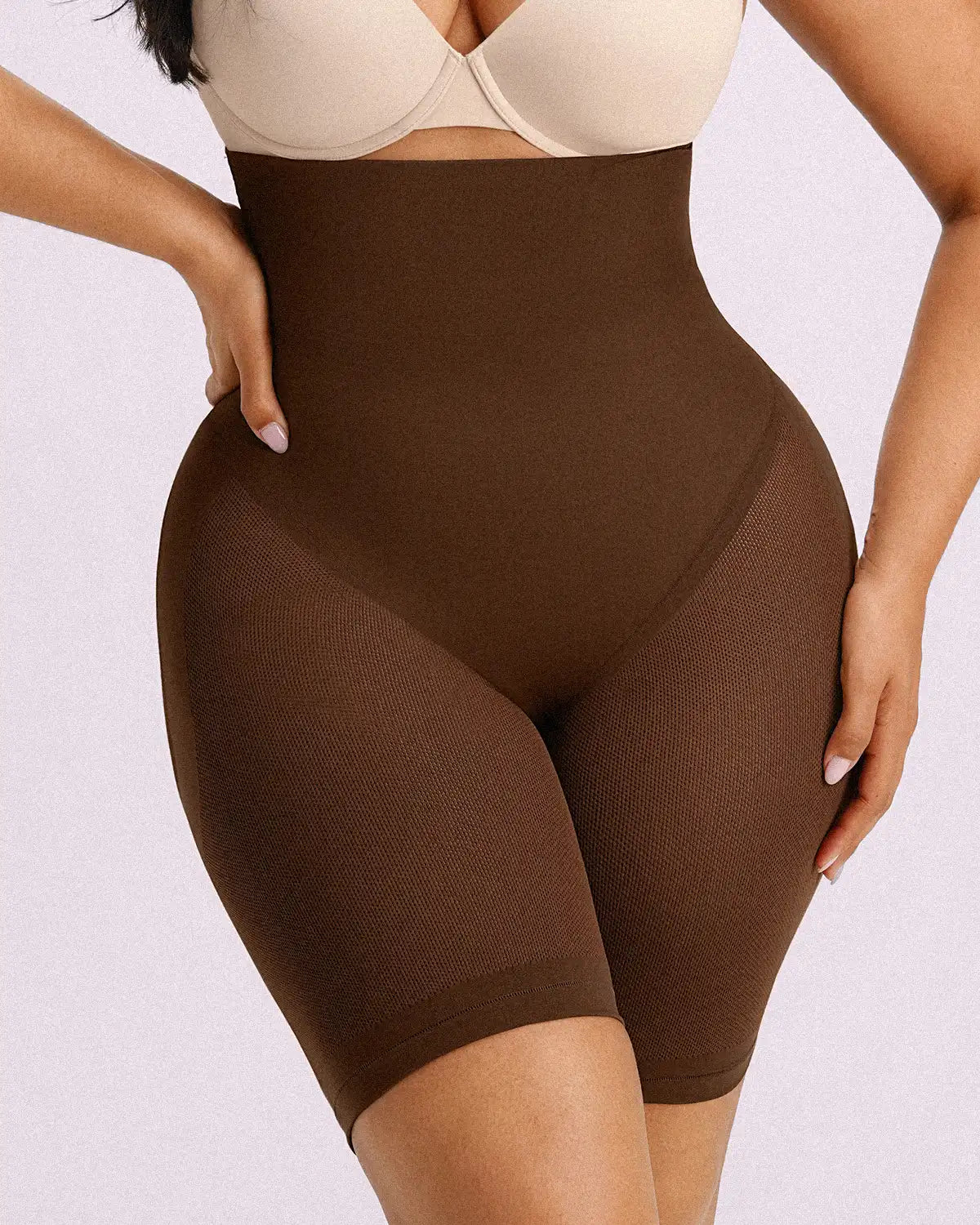
- High-waisted shaping underwear — a wide, flat waistband that sits comfortably above the natural waist and won't dig in or roll, regardless of how your shape is shifting.
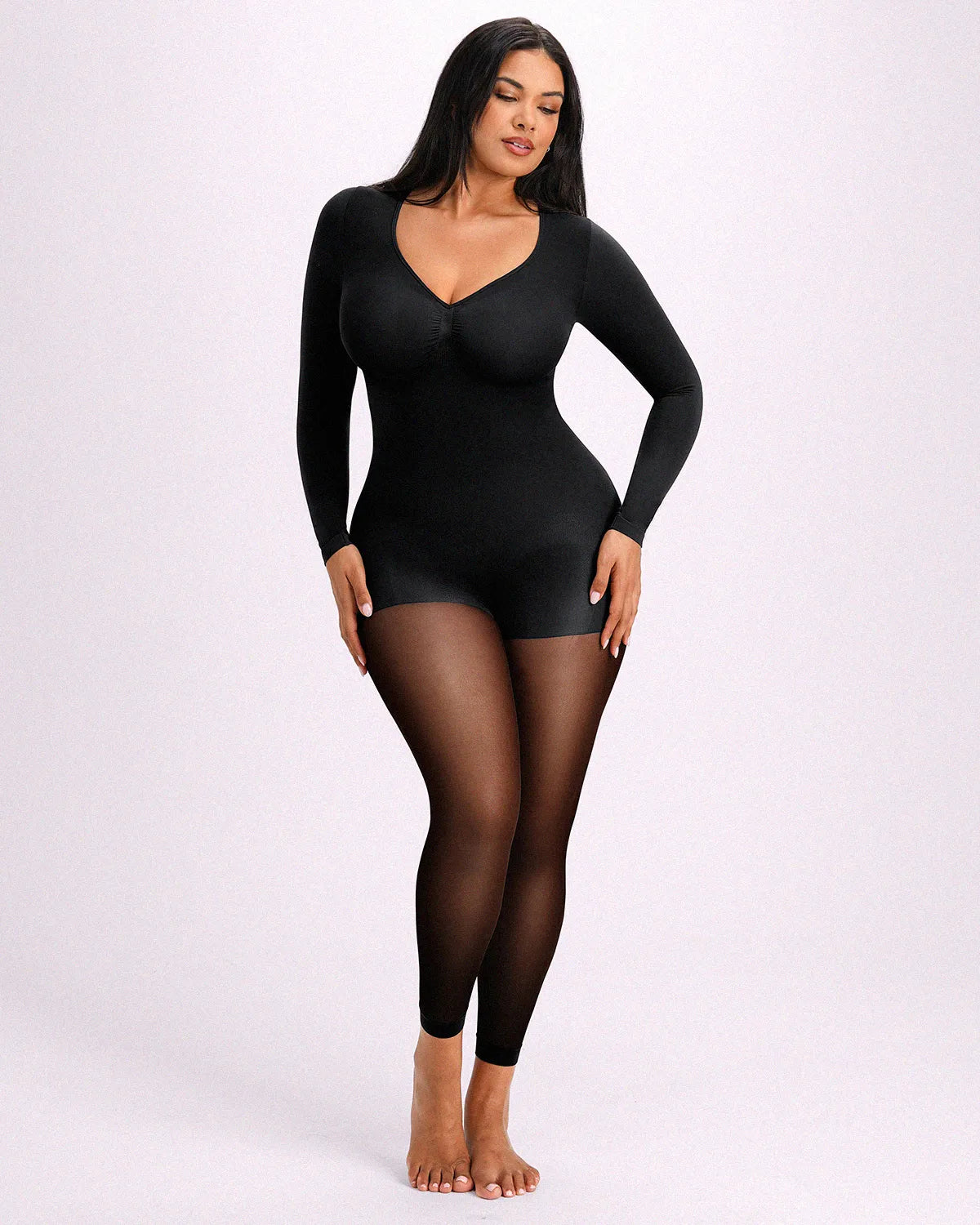
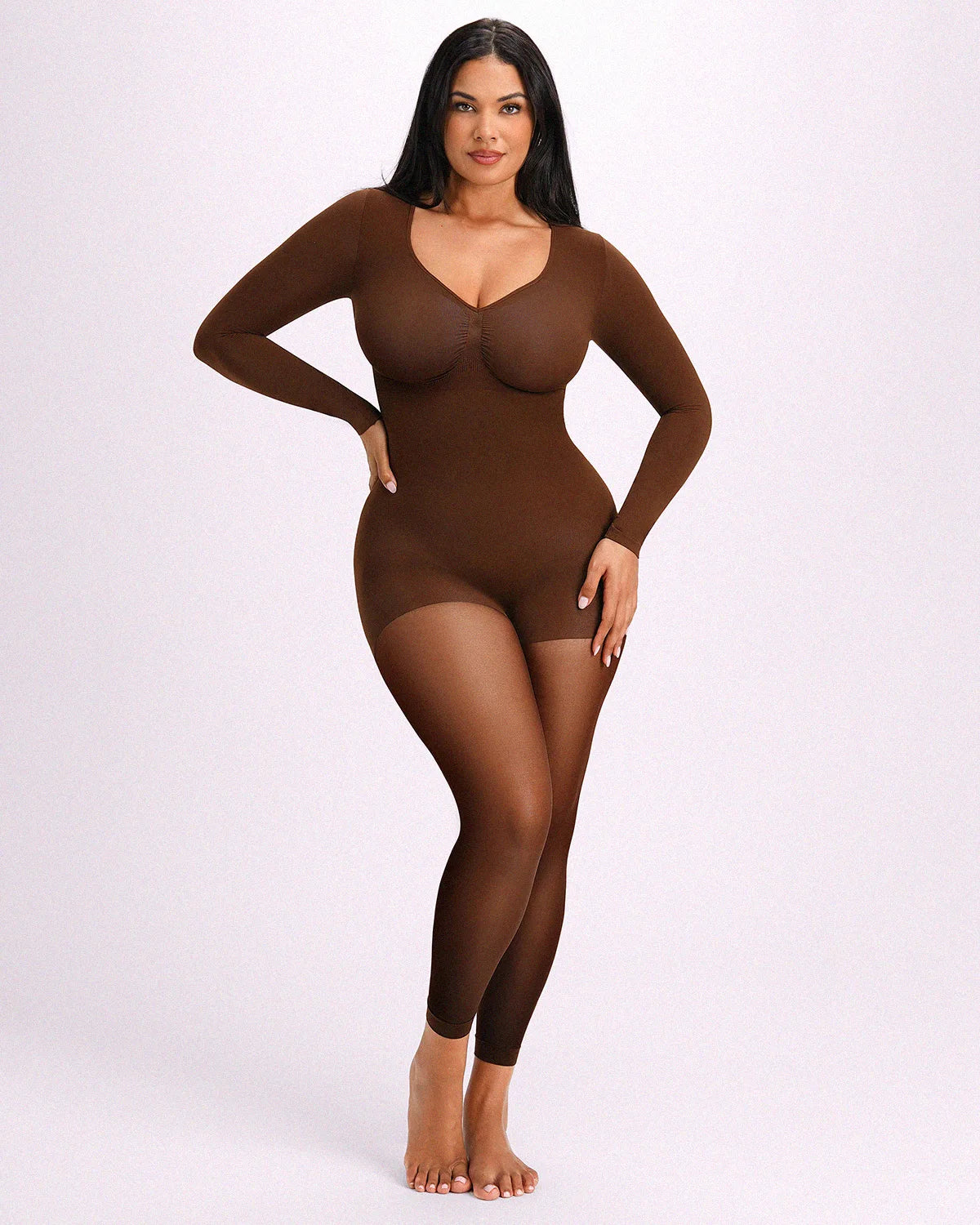
- A shaping bodysuit — full smoothing with nothing to ride up or shift, and a base layer that keeps looser outer pieces anchored.
- Soft, breathable everyday shapewear — for extended daily wear, breathability matters more than heavy compression. Look for stretch fabrics you can wear comfortably from morning to night.
Sizing tip: if you're between sizes, size up. A larger size in a well-designed piece will always feel more comfortable and forgiving than one that's too tight—and it's worth re-measuring every six to eight weeks rather than assuming last month's size still applies.
Frequently Asked Questions
What kind of shapewear works best during a GLP-1 journey?
Light-to-medium compression in a breathable, stretch-recovery fabric tends to work best. Shaping tanks, high-waisted briefs, and shaping leggings are the easiest to wear day to day—they offer smoothing and support without heavy compression, and they flex with a body that's still changing. Look for wide, flat waistbands over anything narrow or overly firm, since those are far more comfortable for extended wear.
Do I need to replace my shapewear every time my size shifts?
Not all at once, and not on a set schedule. It's more practical to keep a small rotation of well-fitting pieces for your current size than to stock up heavily at one size that may not last long. A good habit is re-measuring roughly every six to eight weeks and swapping a piece out once it starts to feel loose or sit differently—always sizing for where you are now, not where you expect to end up.
Does shapewear actually help with loose skin during rapid weight loss?
It can help with how things look and feel day to day. Skin often takes longer to adjust than fat loss does, and light-to-medium compression smooths that area and gives it a bit of gentle support under clothing, which many people find more comfortable than going without. It won't change the skin itself or replace any medical guidance—it's simply a wardrobe tool for the in-between stage.
What should I actually look for when buying clothes right now?
Prioritize adjustability over a fixed size—think wrap styles, tie waists, elastic waistbands, and stretch fabrics that move with you rather than fighting a changing shape. Layering pieces are also worth keeping on hand, since they're an easy fix when one area of an outfit fits well and another doesn't. Fit matters more than the number on the tag, and a quick tailoring adjustment at the waist can extend a piece's usefulness by months.
Is it fine to wear shapewear daily while going through a GLP-1 journey?
Generally yes, as long as the size and compression level are right for daily wear. Light-to-medium control in a breathable fabric, sized to your current measurements, is the safest and most comfortable choice for everyday use—sizing down is never the answer, no matter the stage. If a piece leaves deep marks, feels restrictive, or is uncomfortable within an hour or two, that's a sign to size up or choose a lighter compression level, not something to push through.
You Don't Have to Wait to Feel Good in Your Clothes
Dressing well during a GLP-1 journey was never about looking like you've already arrived somewhere. It's about feeling comfortable, supported, and like yourself in the clothes you're wearing today—not the ones waiting for a future body.
Wherever you are in the process, there's a way to dress that feels good right now. That's the whole point.