



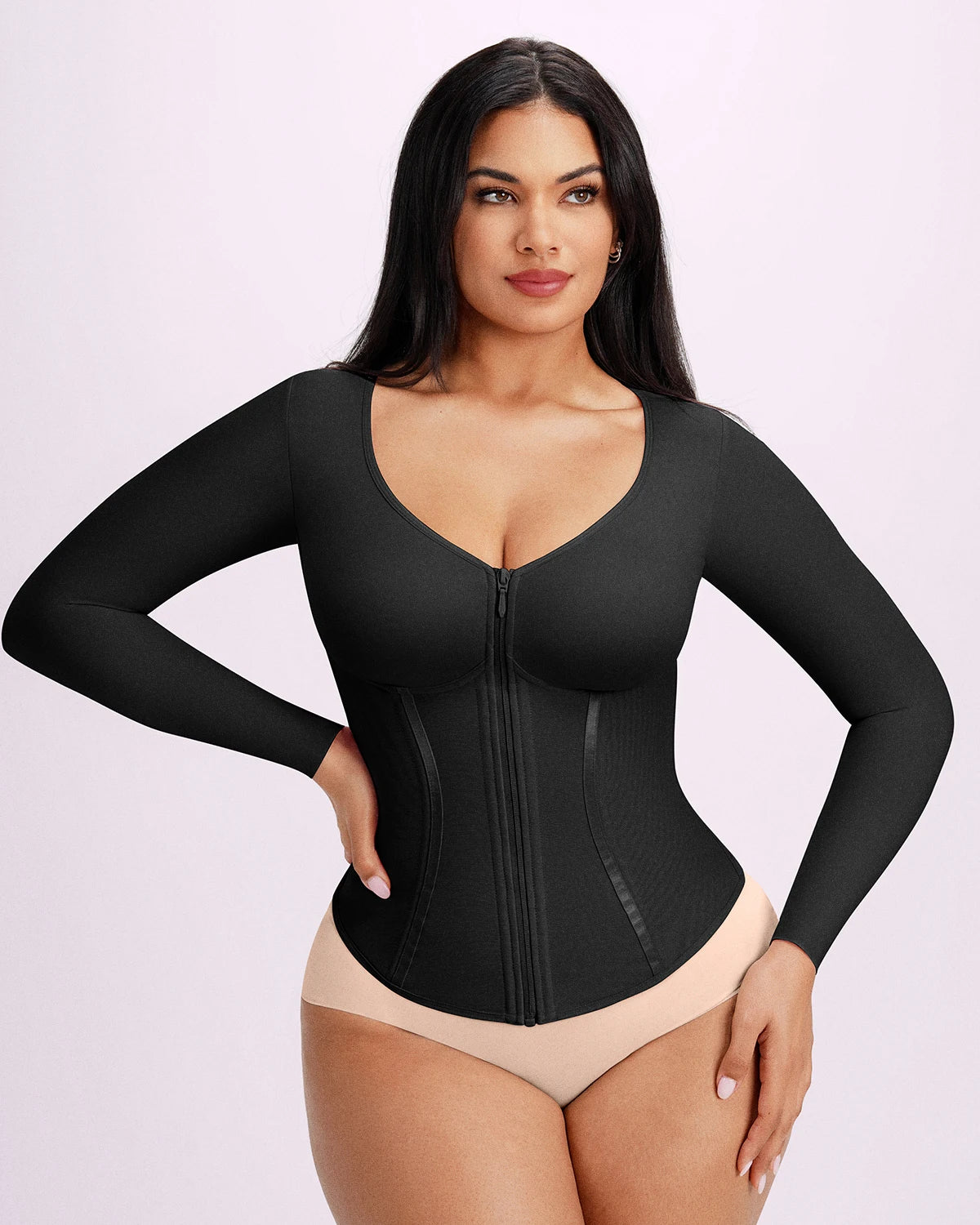
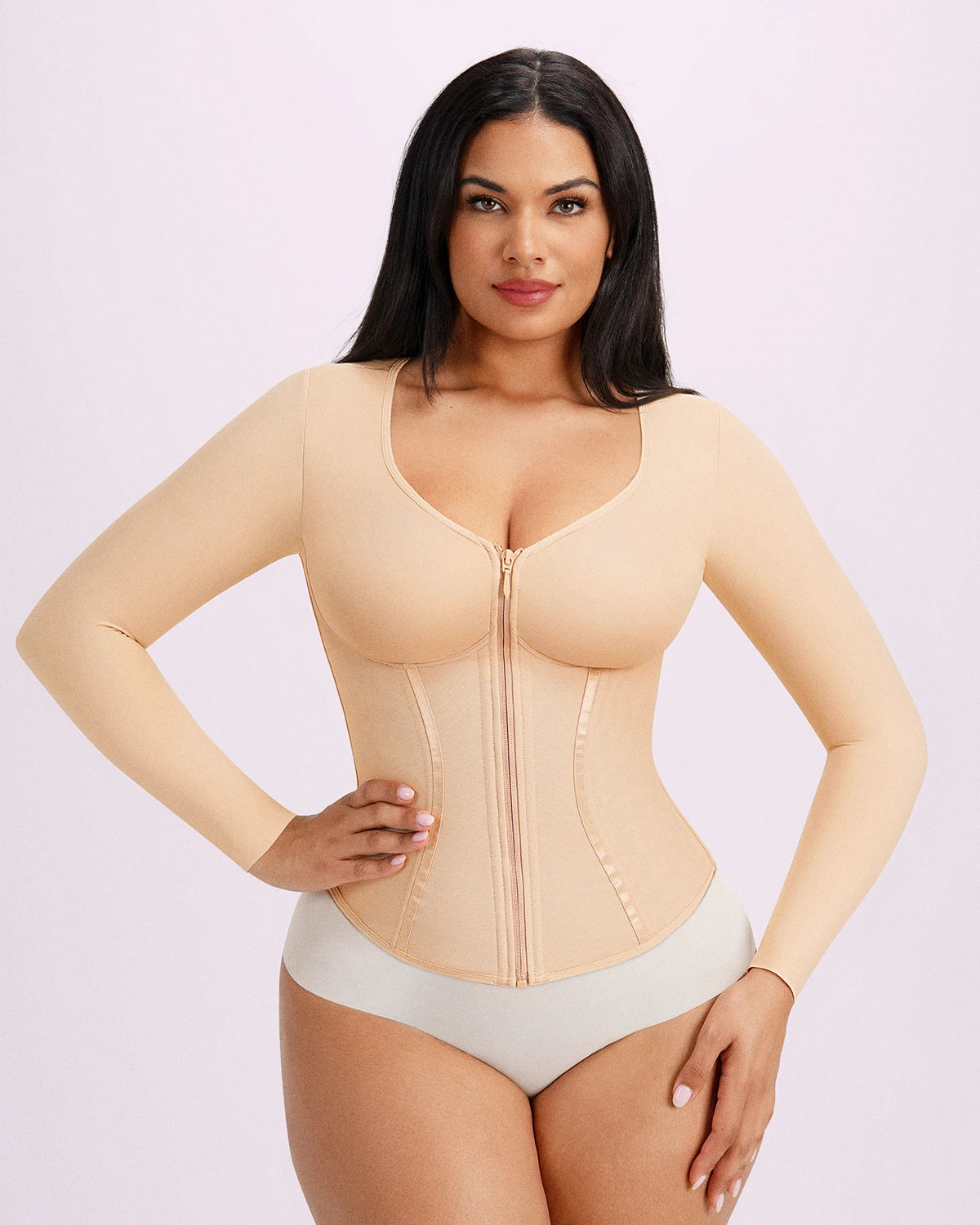
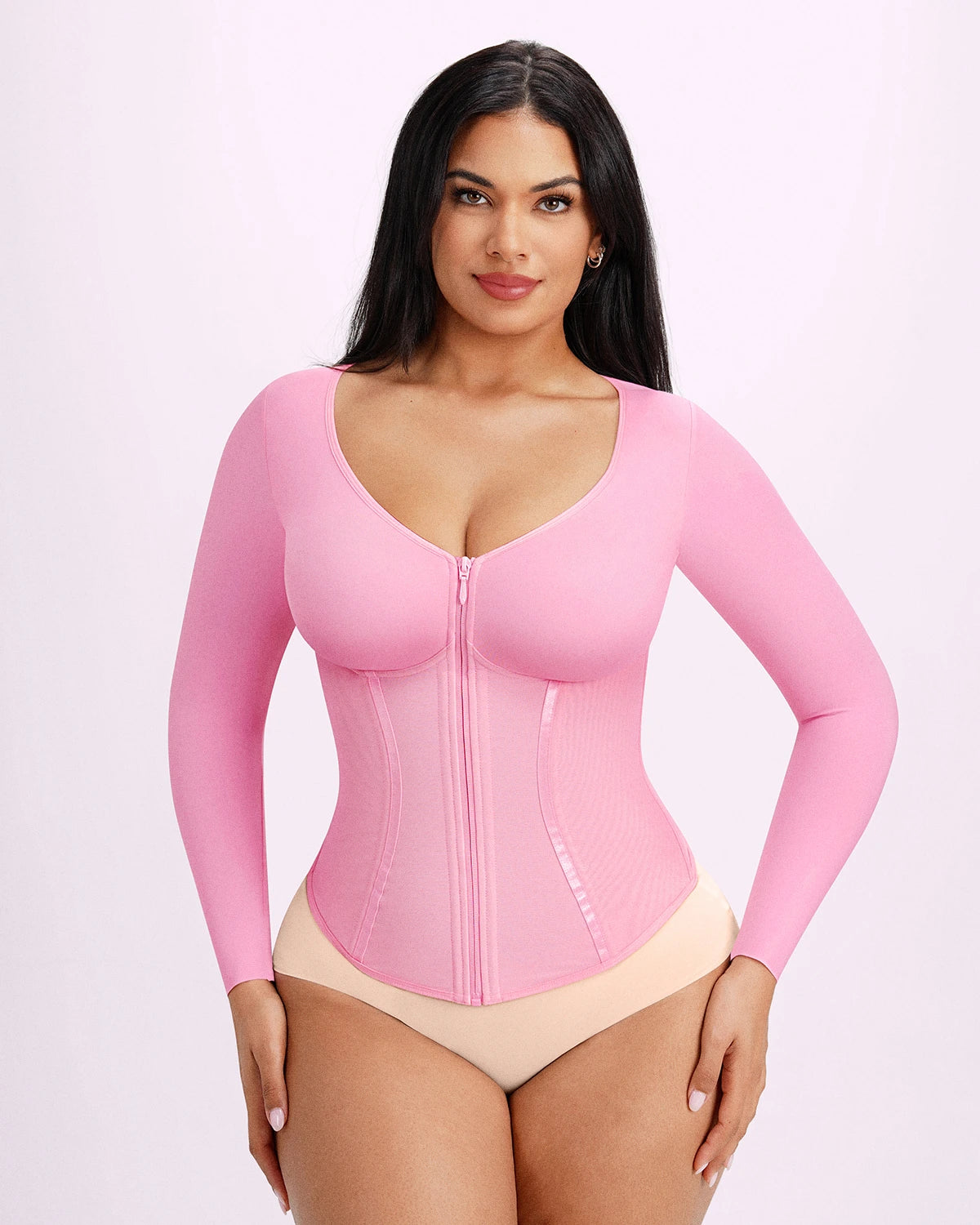
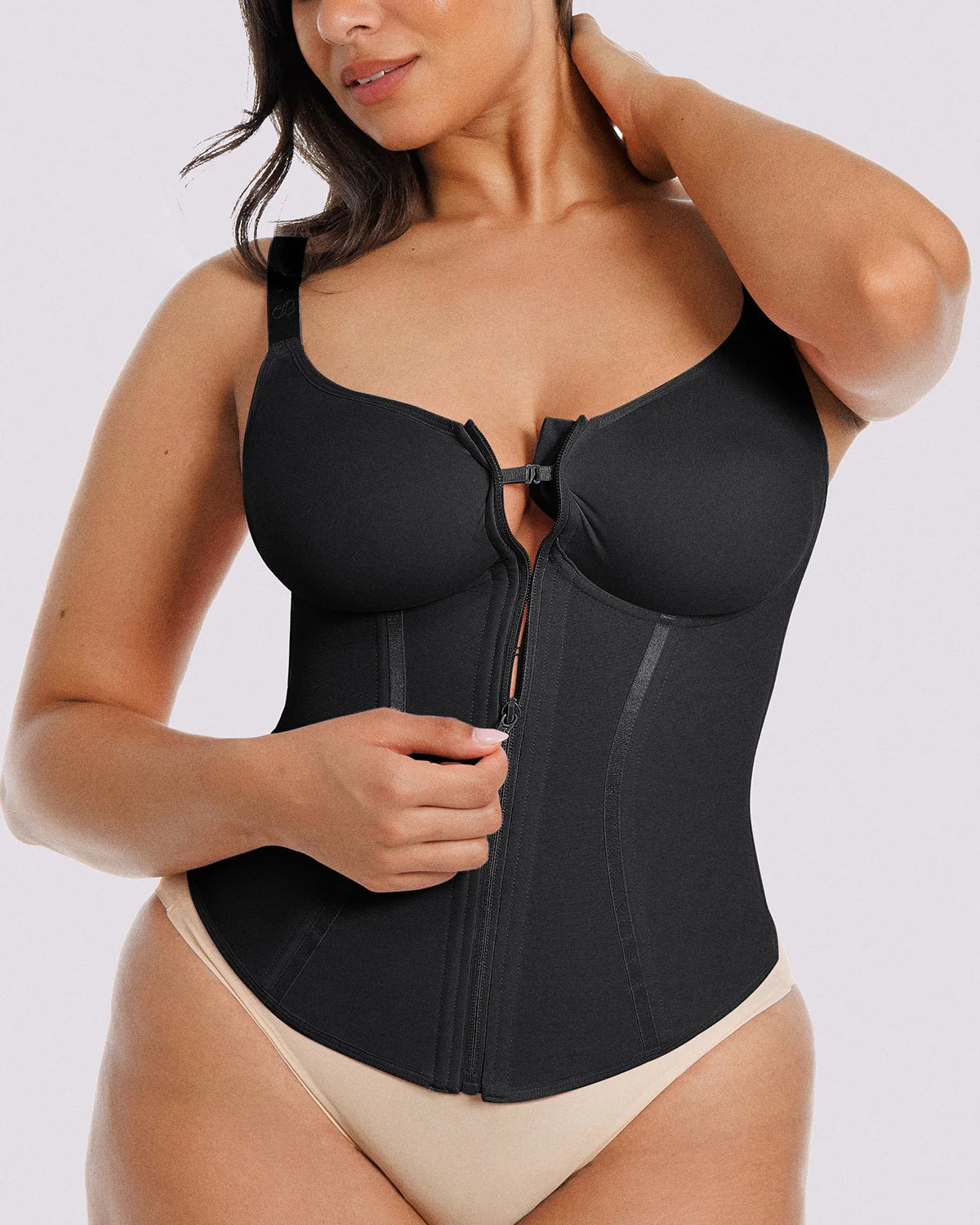
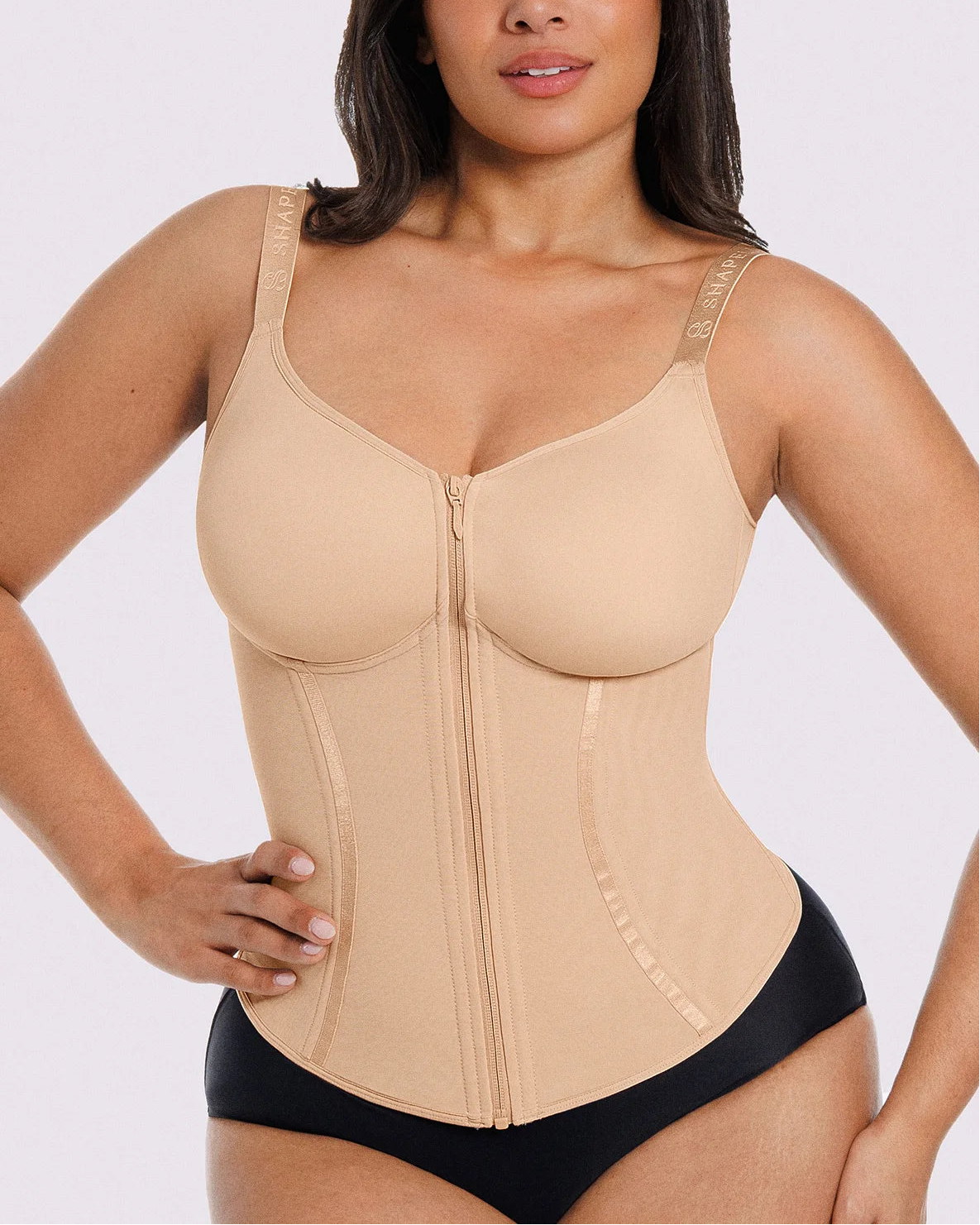
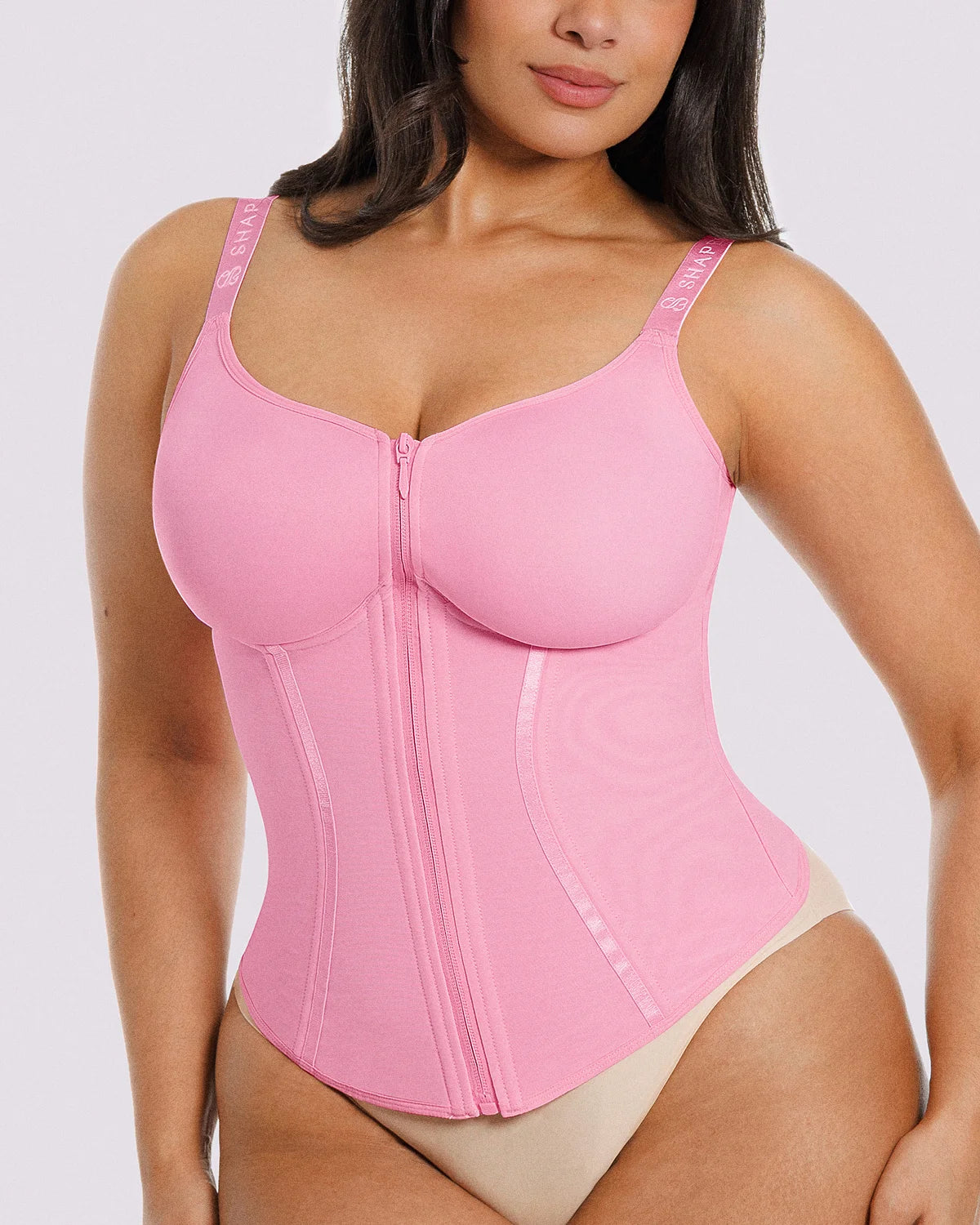


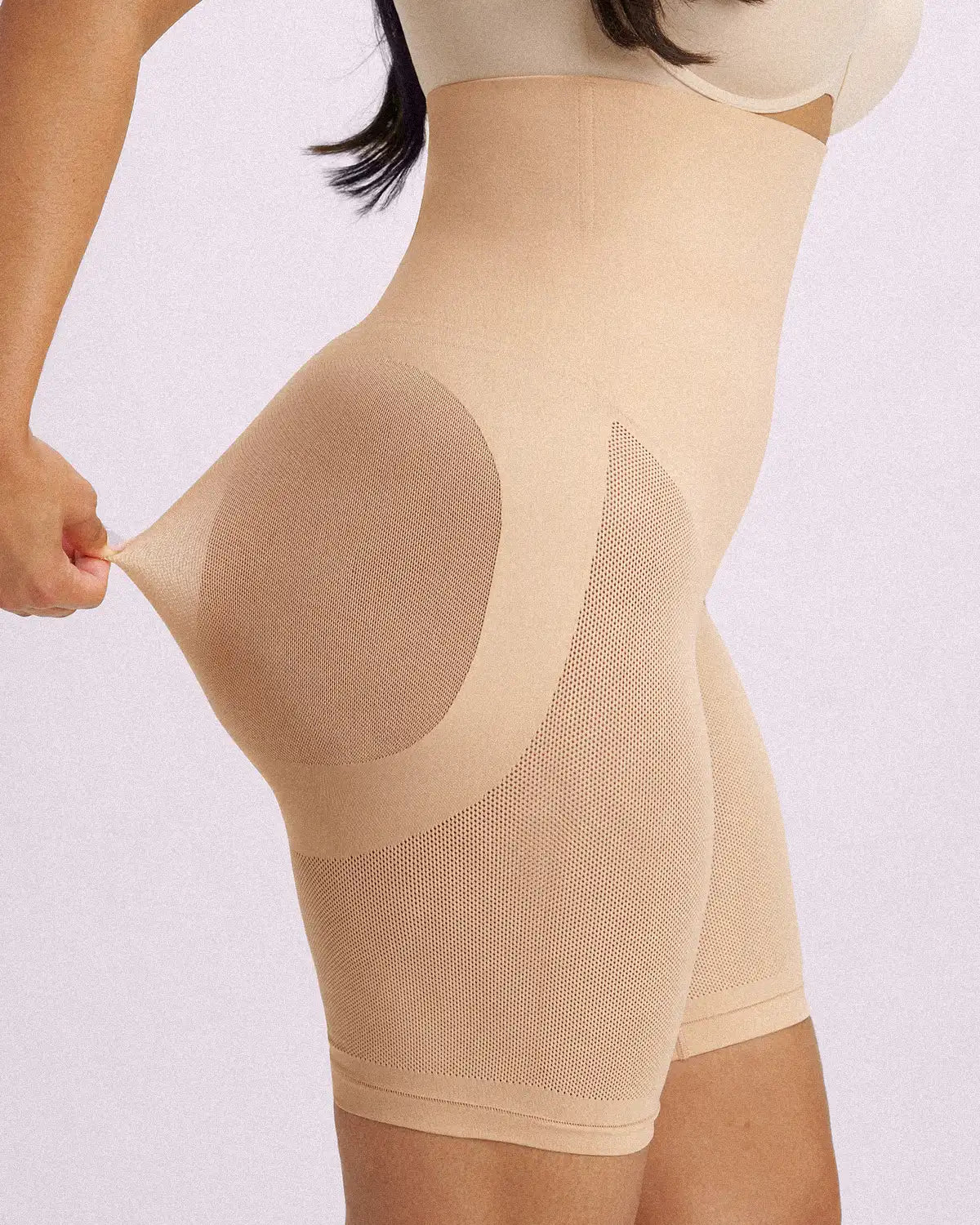
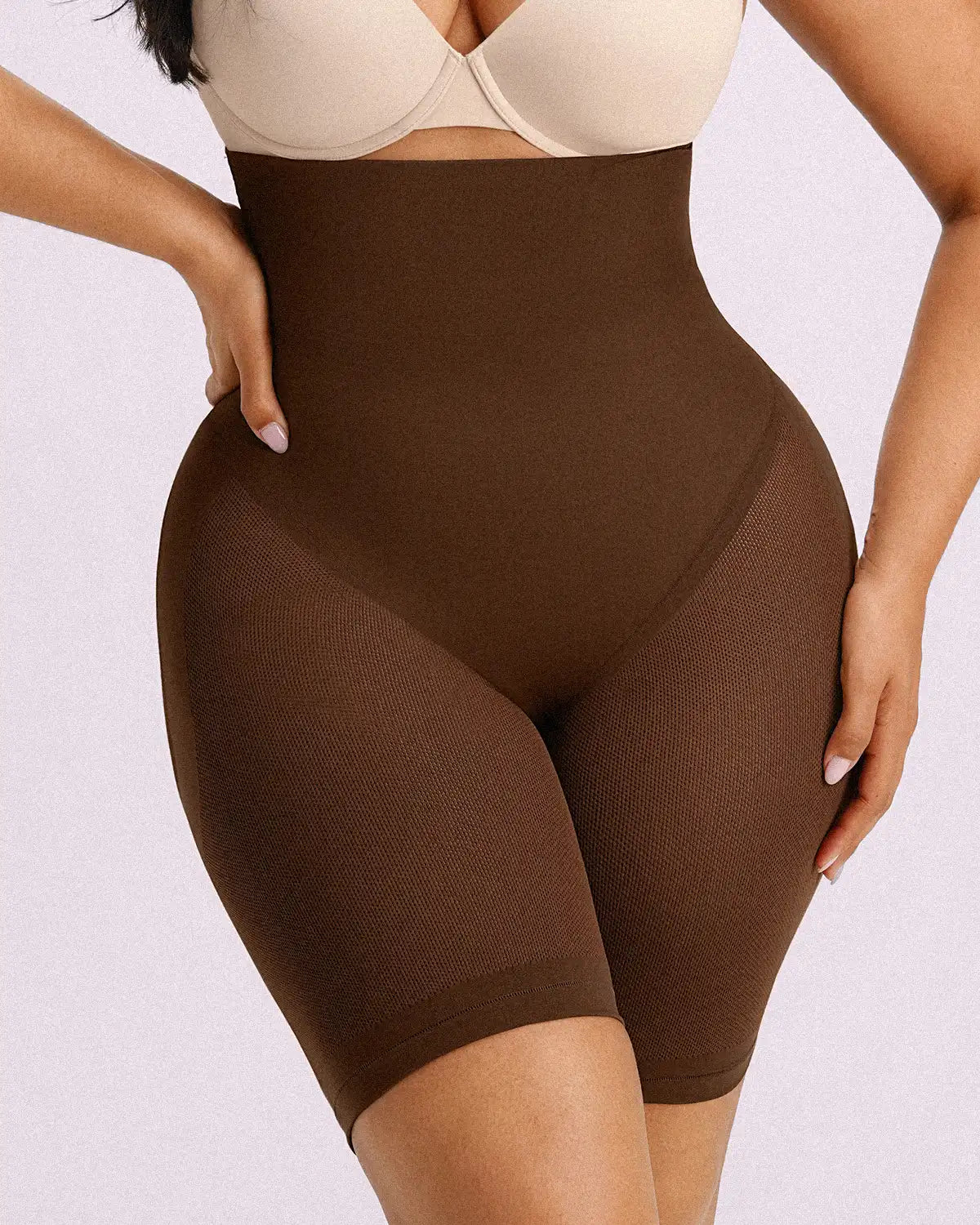


If you've ever ordered shapewear in "your usual size" and pulled out something that either rolled down by lunchtime or did nothing at all, you're not alone. Shapewear sizing runs on a different logic than the rest of your closet, and most of the frustration people feel—the returns, the reorders, the "why doesn't this fit like the model" moment—traces back to one thing: guessing instead of measuring.
This guide walks through the actual measuring process, explains how to read a size chart correctly, and answers the question that trips up almost every first-time buyer: what do you order when you're stuck between two sizes?
Why Shapewear Sizing Doesn't Match Your Everyday Clothing Size
A pair of jeans in size 10 and a shapewear in "size 10" can be built around completely different numbers. Everyday clothing sizes are loose, brand-specific, and often shaped by vanity sizing—a size 8 at one store might be a size 12 at another. Shapewear doesn't have that luxury. Because it's designed to compress and hold, it's built off fixed body circumferences: your actual bust, waist, and hip measurements in inches, not the label sewn into your jeans.
That means the size you wear in a dress tells you almost nothing about the size you need in a shaper. Someone who wears a medium in ready-to-wear could easily need a large or an extra-large in compression garments, depending on how their measurements land on the chart. Skipping the tape measure and ordering "your normal size" is the single most common reason shapewear ends up uncomfortable or ineffective.

How to Measure Yourself Correctly
You'll need a soft measuring tape and about two minutes. Measure directly over bare skin or thin, close-fitting underwear—never over a bulky sweater or jeans, which will throw the numbers off by an inch or more.
Bust
Wear a well-fitting, non-padded bra. Wrap the tape around the fullest part of your bust, keeping it level and parallel to the floor all the way around. The tape should sit snugly without pulling or digging in.
Waist
Find your natural waistline—the narrowest point of your torso, usually just above the belly button and below the ribcage. Stand naturally, exhale normally (don't suck in), and wrap the tape around. If you're not sure where your natural waist is, bend gently to one side; the crease that forms marks the spot.
Hip
Stand with your feet together and measure around the widest part of your hips and glutes. Keep the tape level around the entire circumference, including the fullest point in front.
Write all three numbers down before you open a size chart. Trying to remember them, or estimating, is where most sizing mistakes start.
Pro tip: Between two sizes? It comes down to compression preference and purpose. Size up for a more natural, comfortable feel and longer wear; choose the smaller size for firmer, more structured compression when you want stronger shaping for a specific occasion.

How to Read Shapellx Shapewear Size Chart
Here's a general Shapellx size reference in inches (for the complete breakdown by style, see our full size chart and measurement guide)
A size chart isn't a single number—it's three ranges (bust, waist, hip) mapped to a letter or number size. Your job is to place all three of your measurements on the chart and see where they land.
Here’s a general Shapellx size reference in inches:
| Size | US Size | Bust (in) | Waist (in) | Hip (in) |
| XS | 0–2 | 32–34 | 25–27 | 34–36 |
| S | 4–6 | 34–36 | 27–29 | 36–38 |
| M | 8–10 | 36–38 | 29–31 | 38–40 |
| L | 10–12 | 38–40 | 32–34 | 41–43 |
| XL | 14–16 | 40–42.5 | 35–38 | 43.5–46 |
| XXL | 16–18 | 42.5–45 | 39–42 | 46.5–49 |
| 3XL | 18–20 | 45–47.5 | 43–46 | 49.5–52 |
| 4XL | 20–22 | 48–50.5 | 46–49 | 52.5–54.5 |
| 5XL | 22–24 | 50.5–52.5 | 49–51.5 | 54.5–56.5 |
| 6XL | 24–26 | 52.5–55 | 51.5–54 | 56.5–58.5 |
Not every style is cut in every size on this chart, so always check the size chart on the specific product page before you order, rather than assuming the general chart applies exactly.
Between Two Sizes? Here's How to Decide
This is the scenario nearly everyone runs into eventually: one or more of your measurements sits between two size ranges. If both sizes are within a reasonable range for your measurements, which one should you actually choose?
Two questions settle it:
- How long will you wear it? A full workday, a long flight, or an all-day event usually favors the larger size.
- What are you optimizing for? If you're looking for a firmer, more secure fit, you may prefer the smaller of the two sizes.
The key is to choose between sizes only when your measurements genuinely fall between two size ranges. Don't size down simply to make shapewear feel tighter—more compression doesn't always mean better shaping.
Why Sizing Down Usually Backfires
It's tempting to think a smaller size will simply compress more. In practice, going too small tends to create the opposite of a smooth silhouette. When a garment is too tight for your actual measurements, the fabric has nowhere to go but to roll, dig, or bunch at the edges — you'll typically see this at the waistband or thigh band first. Excess pressure in the wrong places can also make it hard to breathe comfortably or sit for extended periods, and ironically, digging and rolling create visible lines and bulges under clothing, which defeats the entire purpose of wearing the piece.
Sizing too large has a quieter but equally real downside: the garment simply won't hold anything in place, so you lose most of the shaping effect you bought it for. The goal isn't the smallest size you can physically get into—it's the size that matches your actual measurements on the chart.
Fit Points by Body Types
Plus-Size
Look for styles offered across an extended range, up to 6XL where available, and pay close attention to where your bust, waist, and hip measurements each land.
Petite
Torso length matters as much as waist size for petite frames. A bodysuit or waist-to-thigh style cut for an average torso can sit too low or bunch at the crotch on a shorter frame. Check the garment's rise or torso-length notes on the product page, not just the waist size.
Curvy (Larger Waist-to-Hip Difference)
If there's a significant gap between your waist and hip measurements, expect to size for the hip and rely on the garment's built-in shaping panels to take in the waist. Trying to size down to match the waist number will almost always be too tight through the hips.
Postpartum
Postpartum bodies change quickly and unpredictably in the weeks after delivery, and abdominal compression isn't appropriate for everyone during that window. Talk to your doctor or midwife before wearing any compression garment postpartum, and follow their guidance on timing before using a size chart at all.
Fit Points by Style
Beyond the basic three measurements, different silhouettes have their own fit checkpoints:
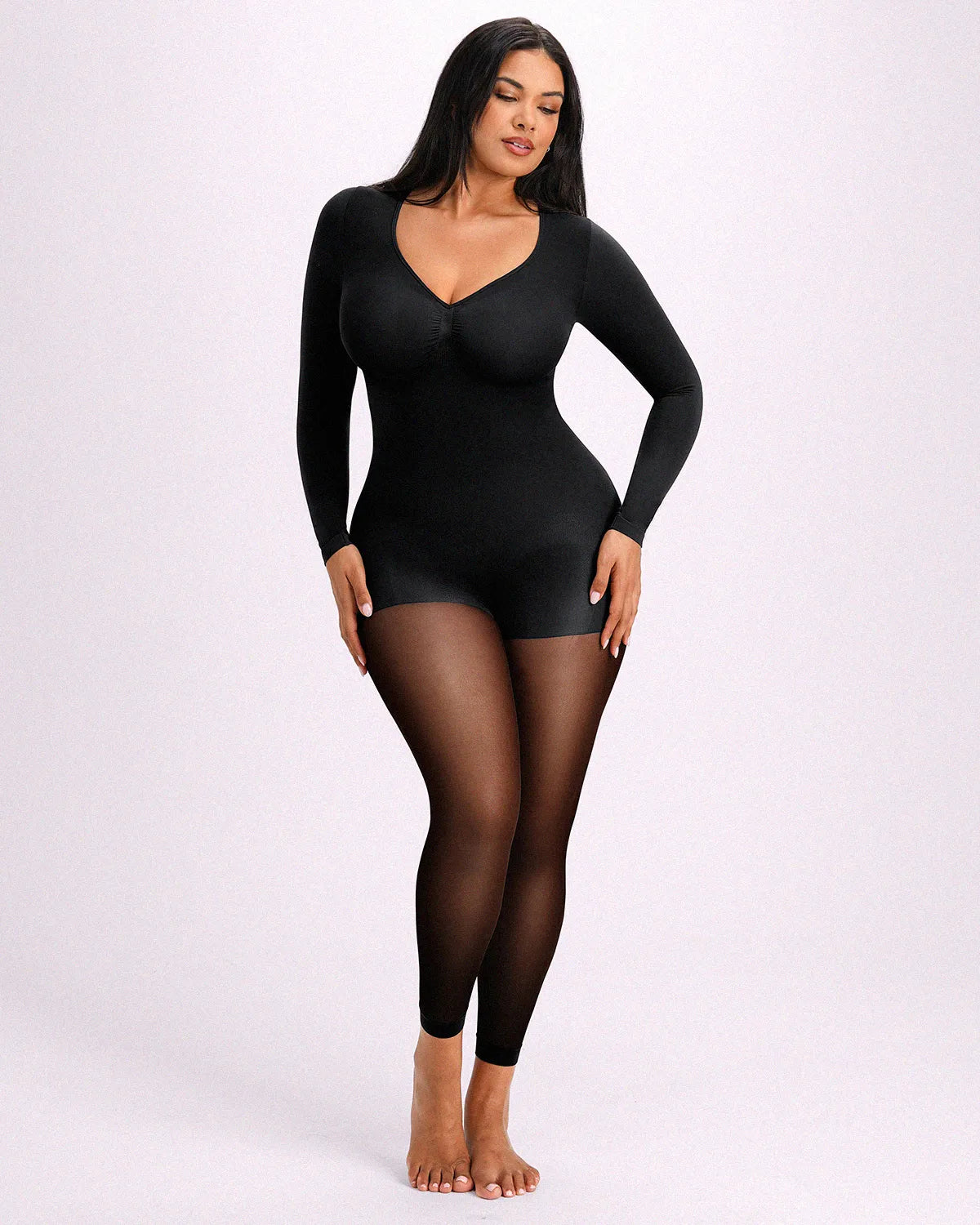
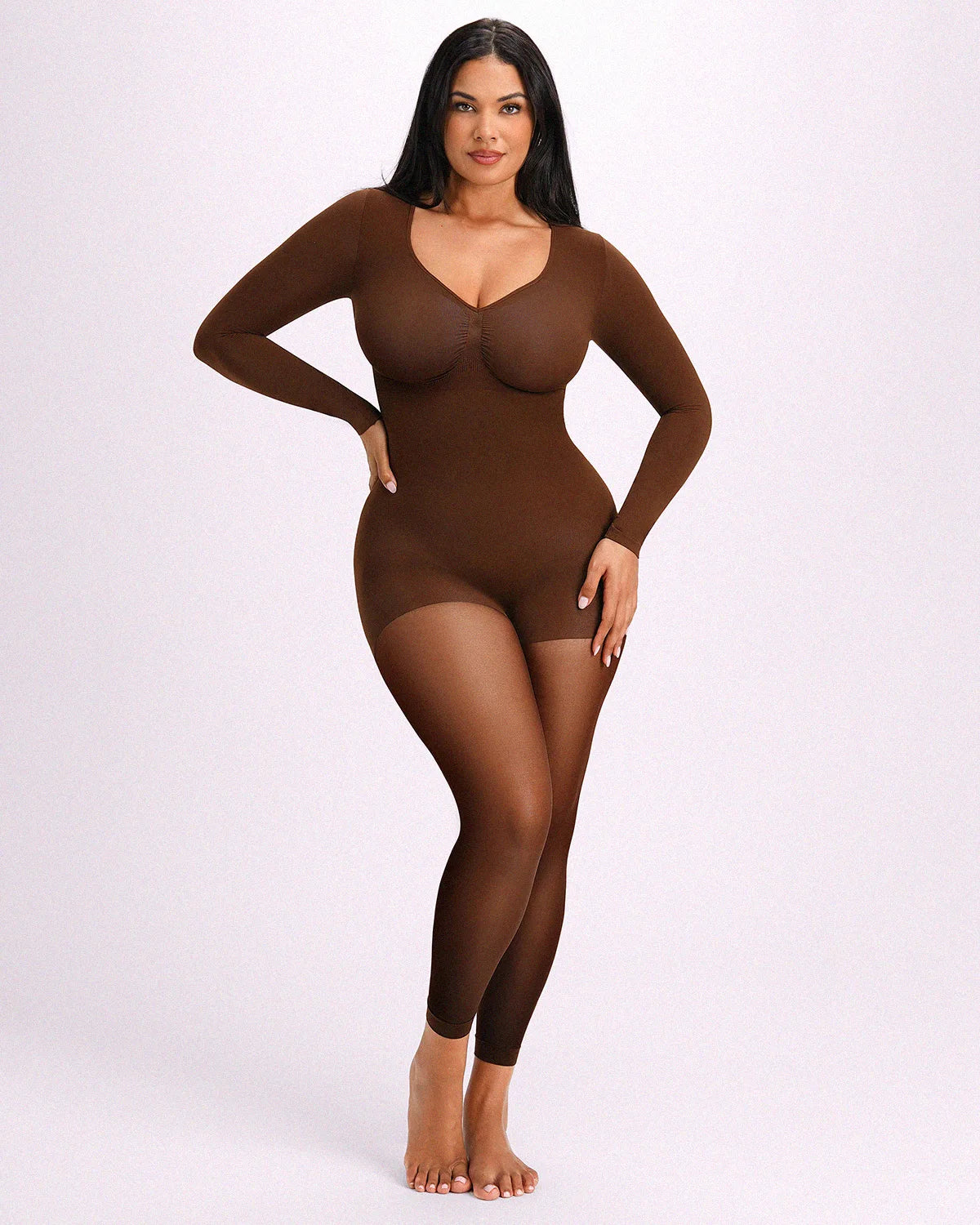
- Bodysuits and full-body styles: torso length is the deciding factor. If the crotch seam sits too low or the garment pulls at the shoulders when you reach, the length is off even if the circumference is correct.
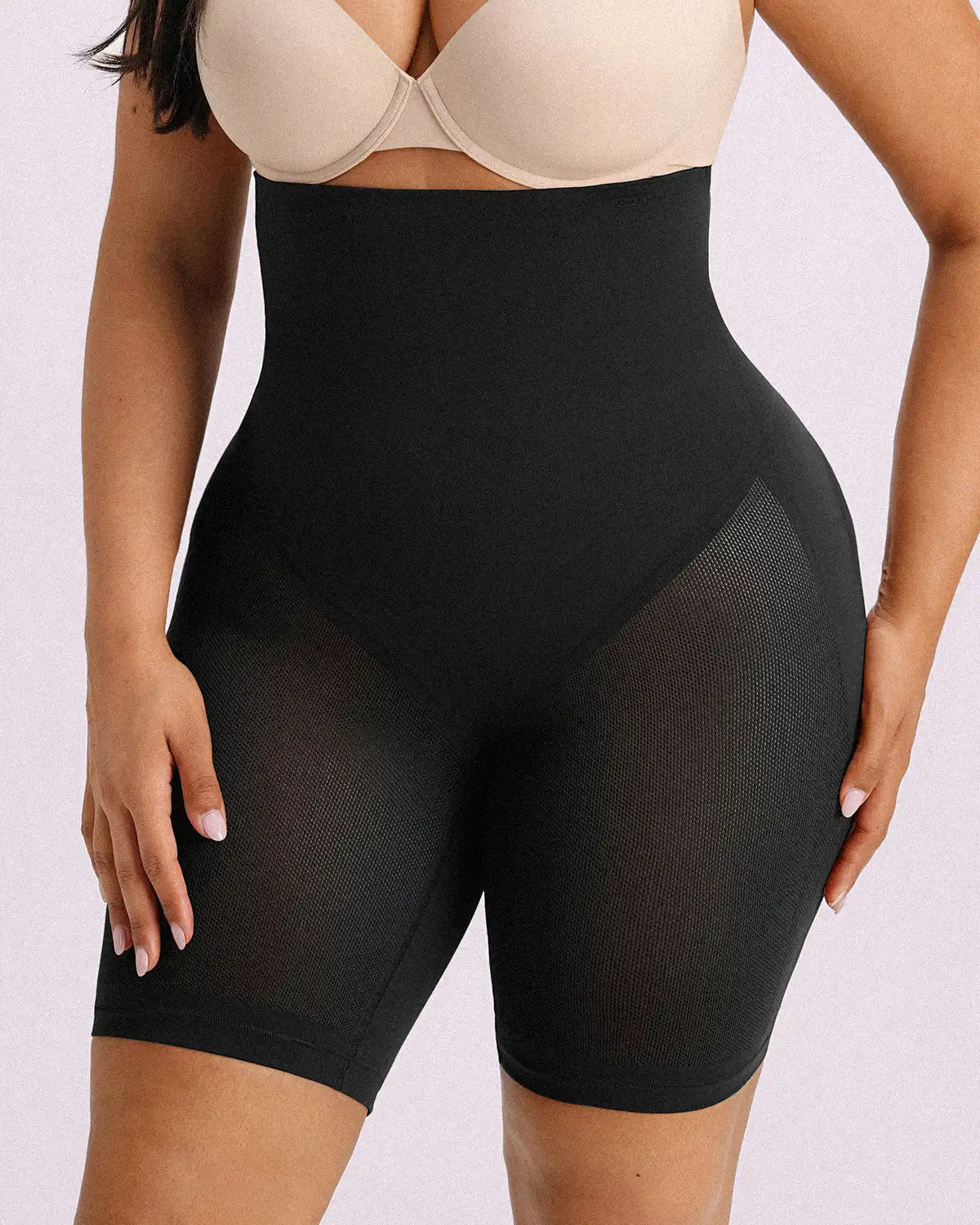
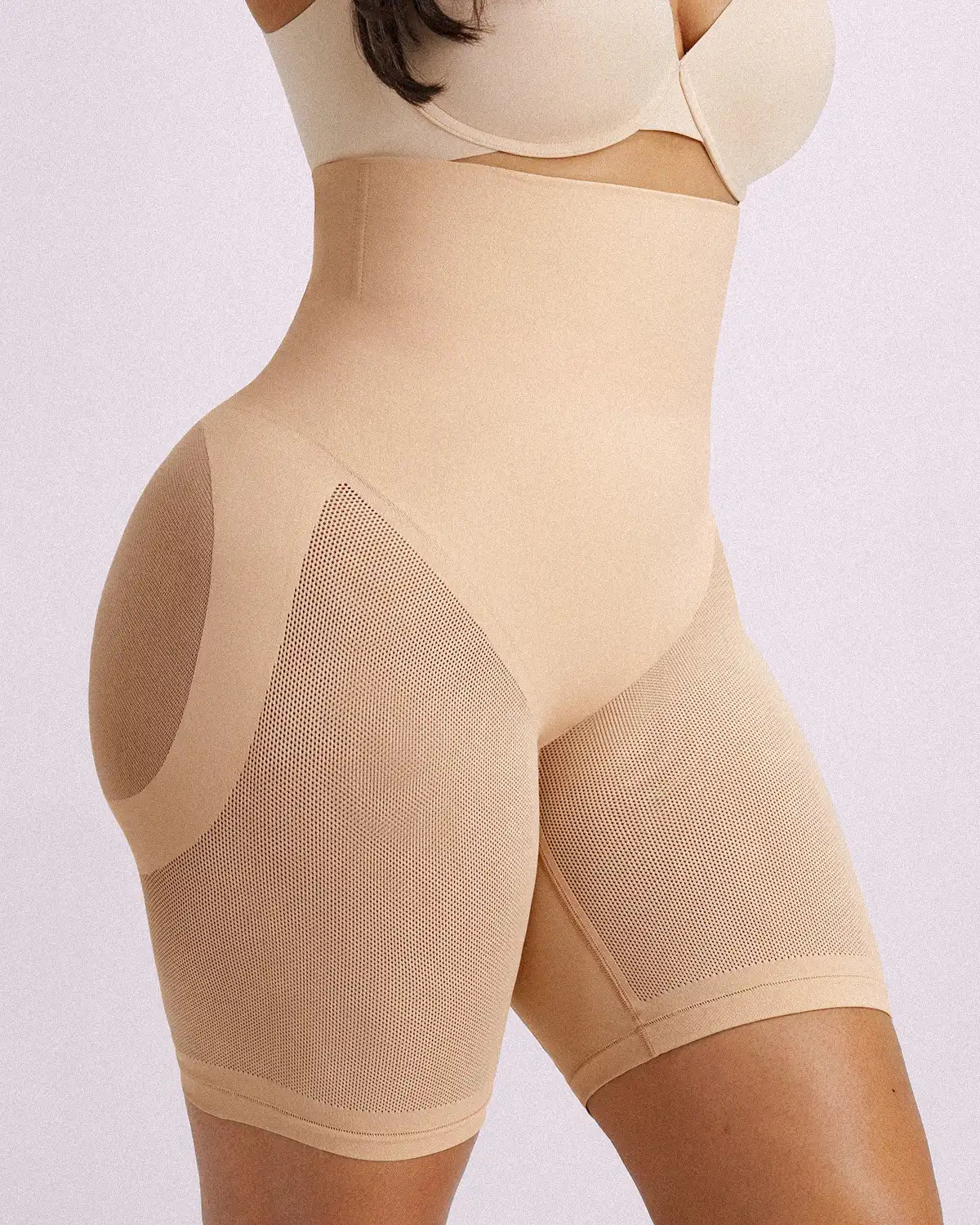
- Shorts-style shapewear: check thigh circumference and leg opening. A leg opening that's too tight will dig in when you sit or walk; too loose, and it rides up.
- Brief and thong styles: waistline height is what varies most. High-waist briefs sit above the natural waist for more tummy coverage, while mid-rise sits closer to the hip — pick based on where you want the compression to start, not just the size number.
Returns and Exchanges
Shapellx accepts returns within 30 days of delivery for items that are unworn, unwashed, and still have tags and liners attached. You're expected to try garments over underwear, and anything showing makeup, perfume, or visible wear will be rejected. For hygiene reasons, bras, underwear, Mystery Boxes, free gifts, and Final Sale items are not eligible for return.
In practice, that means it's worth trying the garment on as soon as it arrives—over underwear, in front of a mirror — rather than leaving it in the packaging for weeks. If the fit is off, you'll still have a clean, tagged item you can send back.
Frequently Asked Questions
How do I measure myself for shapewear?
Measure your bust at its fullest point over a non-padded bra, your waist at its narrowest point without sucking in, and your hips at their widest point, keeping the tape level and snug but not tight. Use these three numbers against a size chart rather than your everyday clothing size.
What if my measurements fall between two sizes?
Size up if comfort and all-day wear matter most to you; size down if you want firmer compression for a shorter period.
Should I size up or down in Shapellx shapewear?
Shapellx shapewear is true to size. Choose your size based on your measurements and the product's size chart. If you're between sizes, size up for comfort or choose the smaller size for a firmer fit.
Why does sizing down make shapewear less comfortable, not more effective?
A garment that's too small for your measurements has no give left, so the fabric rolls, digs, or bunches at the edges instead of smoothing evenly. That pressure can also make sitting or breathing uncomfortable, and the visible rolling often undoes the smooth silhouette you were going for in the first place.
Can I wear shapewear after giving birth?
Postpartum bodies need individual medical guidance before using any compression garment, since recovery timelines and abdominal healing vary widely. Check with your doctor or midwife first, and follow their advice on timing before sizing yourself for postpartum shapewear.